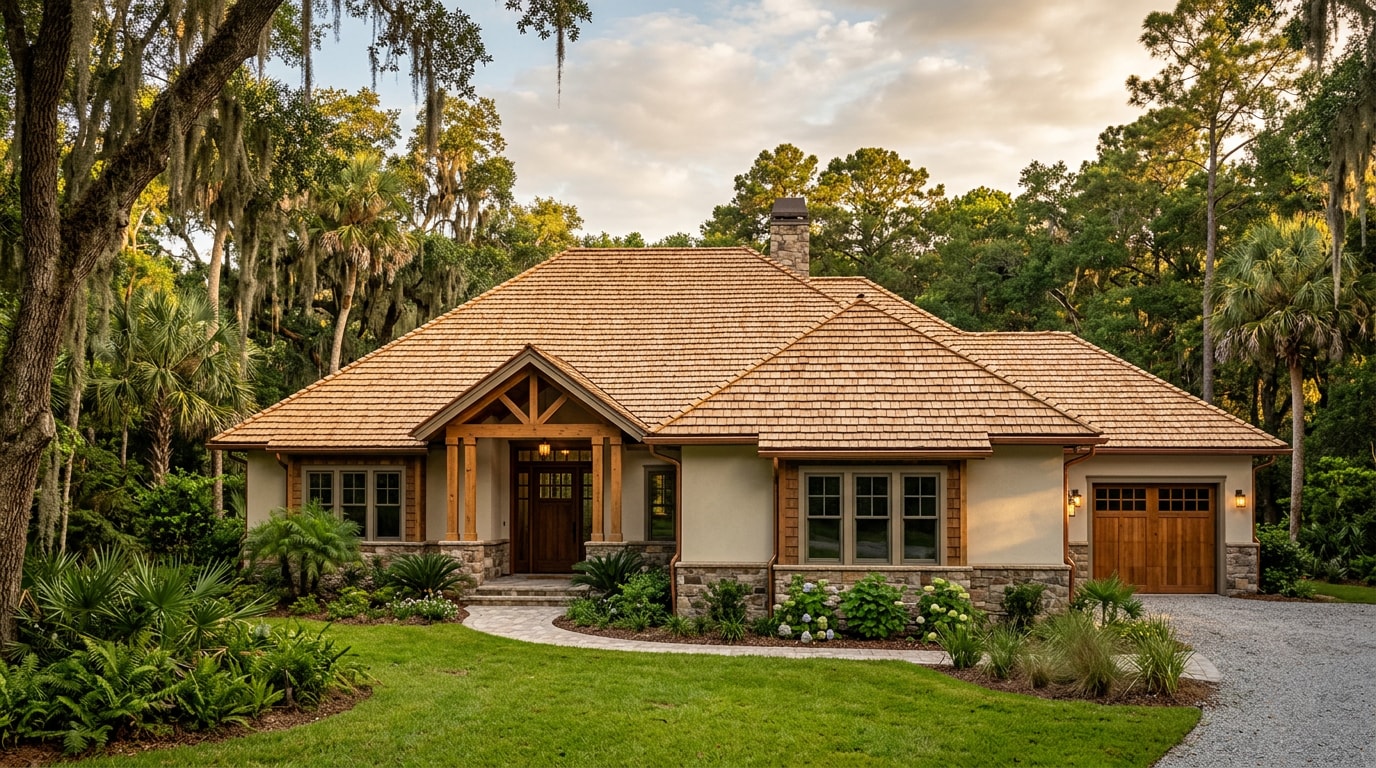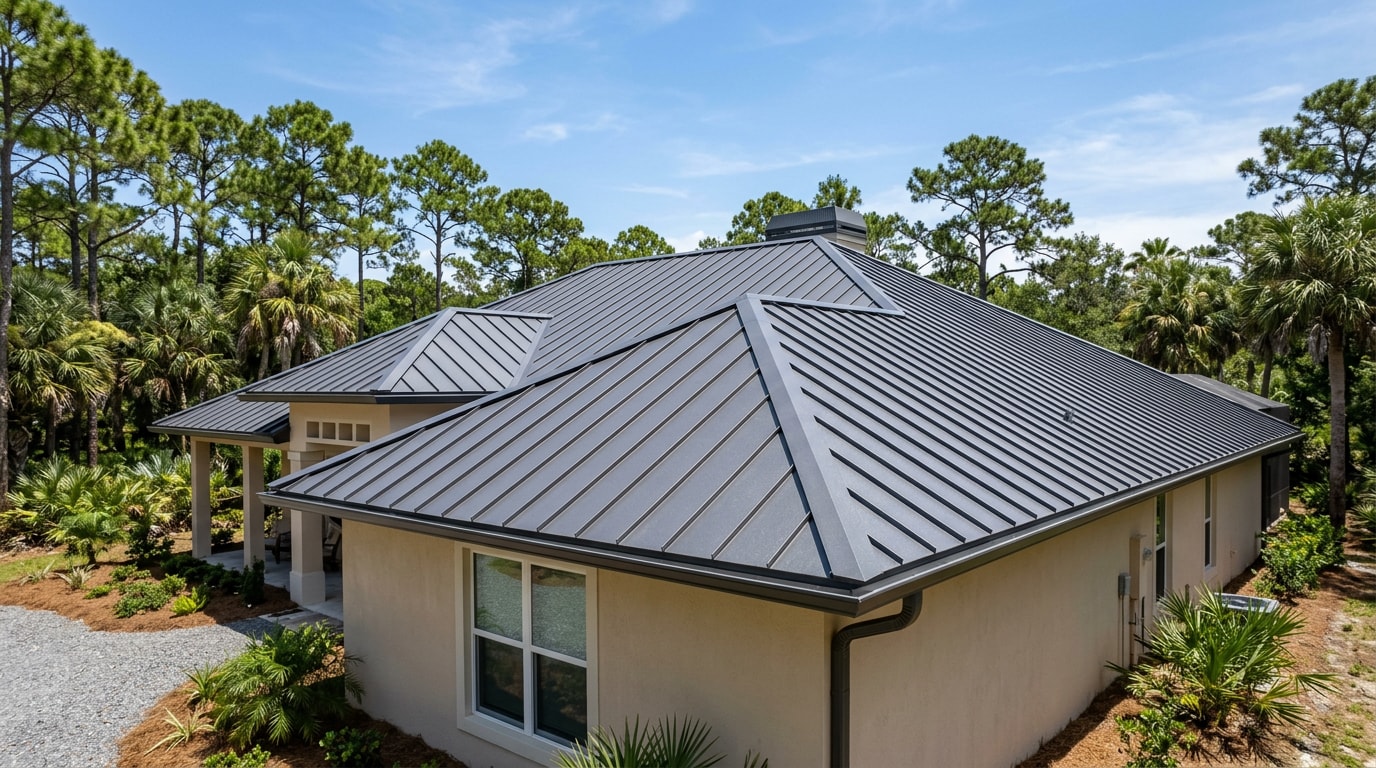
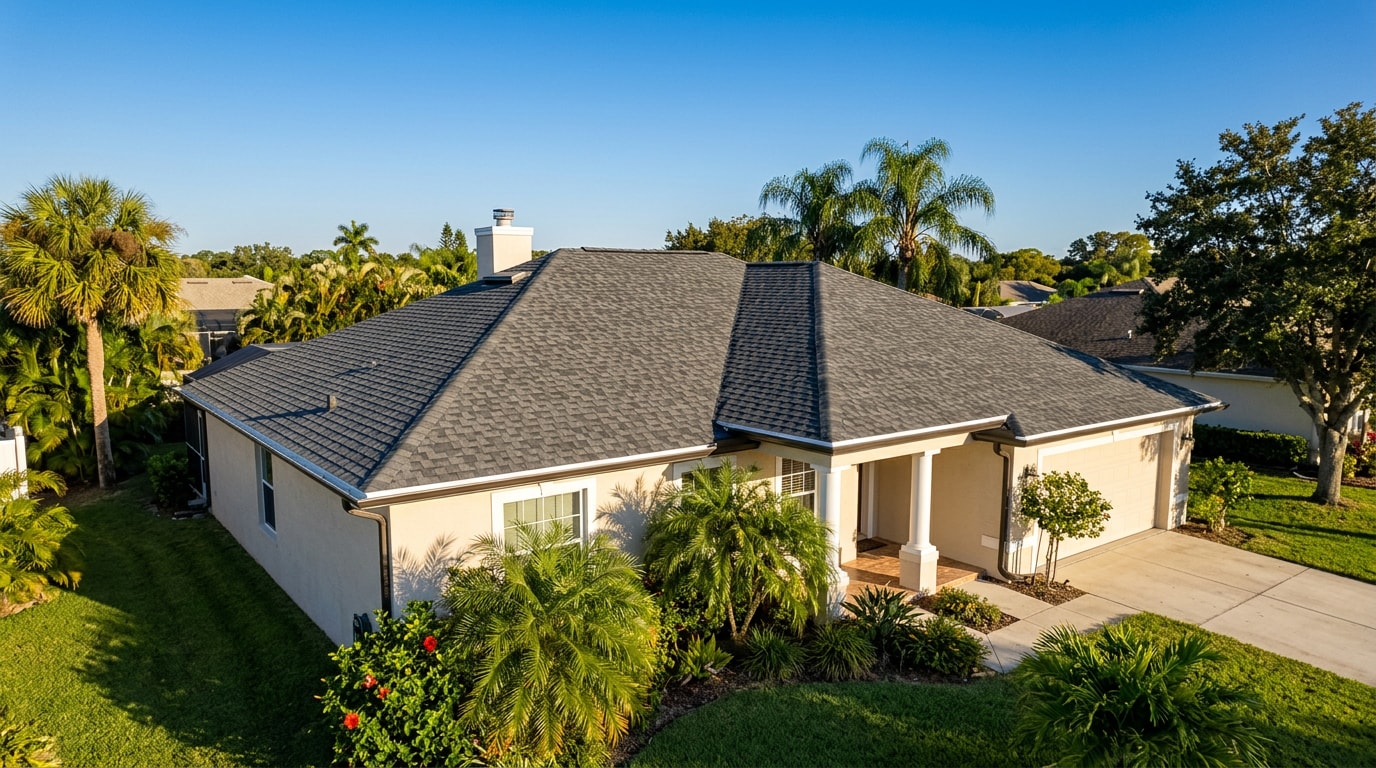
Roofing companies that offer financing Tallahassee, FL homeowners can rely on exist because roof damage never waits for a full savings account. This guide covers how roof loans actually work, which financing structures fit different budgets, and the fine print that trips people up. By the end, you'll know exactly what to ask before signing anything.
Why Tallahassee Homeowners Turn to Roof Financing
Roof problems in the Big Bend region escalate fast. A small leak after a summer storm can turn into rotted decking within weeks, and insurance rarely covers the full cost of replacement. Waiting to "save up first" often means paying more later, not less.
Storm exposure makes this more than a hypothetical. The official hurricane season for the Atlantic basin is from June 1 to November 30, and the Atlantic hurricane season runs through that same window , with the peak of the Atlantic hurricane season falling around September 10, with most activity occurring between mid-August and mid-October . Big Bend homes routinely see wind and hail claims tied to that stretch.
When a major repair lands in the middle of a tight budget, financing gives you a way to get a new roof now instead of risking further damage while you wait for cash to accumulate. A modest down payment or a predictable monthly payment often beats the cost of a slow leak turning into a full deck replacement.
How Roof Financing Works
Roof financing follows a fairly predictable sequence, regardless of which lender or program is involved.
- Get a written estimate. A roofer inspects the damage and provides a documented cost before any financing conversation starts.
- Submit a financing application. This typically asks for basic income and credit information, far less documentation than a mortgage requires.
- Receive approval or pre-approval. Most decisions come back within a short window, based on credit profile, income, and the loan size requested.
- Funds get disbursed. Timing varies by lender, but many programs release funds within a day or two of approval.
- Work moves forward on the agreed schedule once the project is funded.
At Alpha One Roofing Tallahassee, financing is arranged through a local credit union partner, so homeowners deal with a real underwriter instead of a faceless national lender. We've walked Leon County homeowners through this exact process after summer storms knocked out a roof section mid-season, when waiting for insurance to settle wasn't an option.
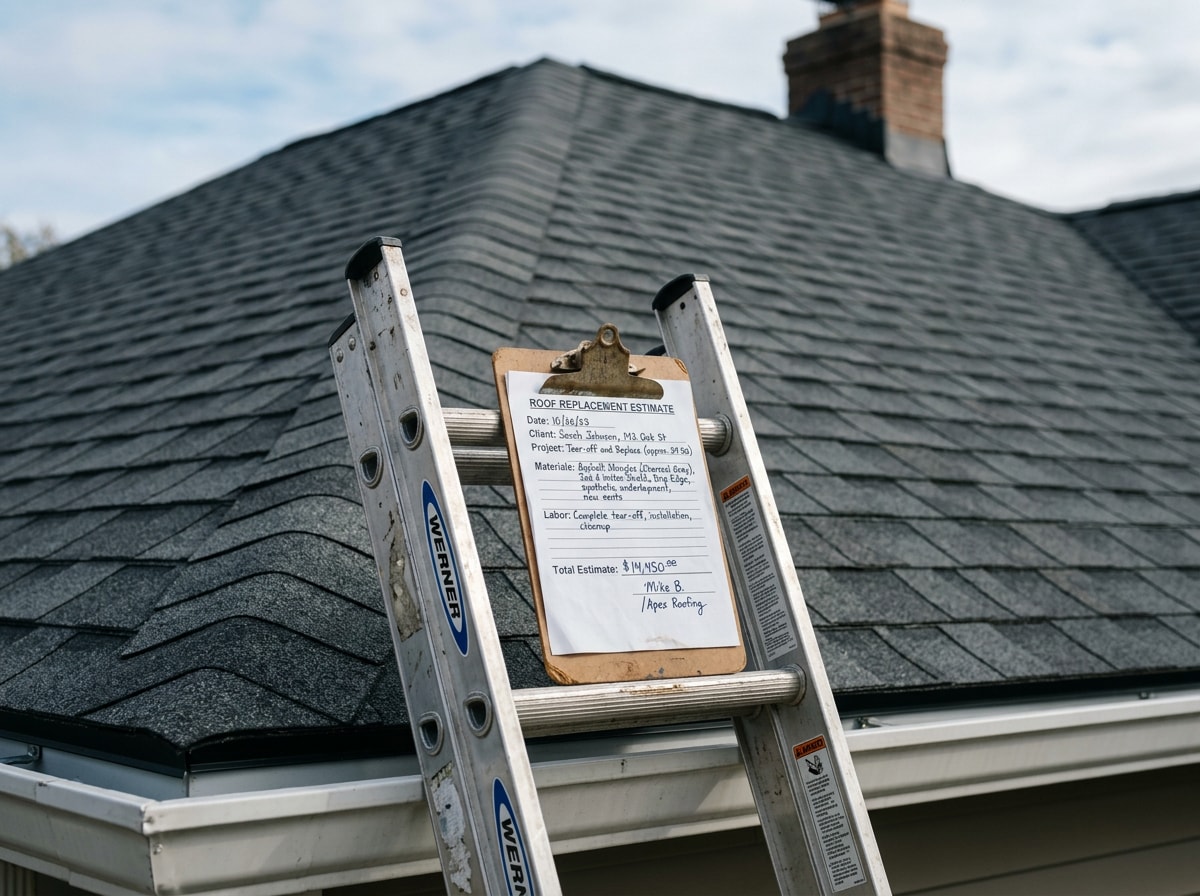
Ready to see what your project costs before comparing financing terms? Request a free roofing estimate first, then decide which payment structure fits.
Financing Options for Every Situation
"Roof financing" isn't one product. It covers several structures, and the right one depends on your credit profile, timeline, and how much you want to pay upfront versus over time.
Zero-Down vs. 0% Interest Financing
Zero-down financing means no upfront payment is required to begin work. A 0% interest offer means no interest accrues if the balance is paid off within a set promotional window. These two features are often bundled together, but they aren't the same thing, and both should be confirmed separately before signing.
The catch with many 0% promotional plans is deferred interest. Under a deferred-interest plan, the consumer pays no interest if the purchase amount is paid off within a set period, typically six to 12 months, but the interest rate on these cards is generally about 25 percent . If the balance isn't fully paid off by the end of the window, that interest can apply retroactively to the entire original amount, not just what's left.
| Feature | Zero-Down / 0% Promo Financing | Standard Installment Loan |
|---|---|---|
| Upfront payment | Usually none | Often requires a down payment |
| Interest | 0% if paid in full during promo window; retroactive interest if not | Fixed rate from day one, no deferred-interest risk |
| Typical term | Short promo window (6-18 months common) | Longer fixed term (5-15+ years) |
| Best fit | Homeowners confident they can pay off quickly | Homeowners who want predictable, lower monthly payments |
Other Ways to Finance a Roof
Contractor-arranged plans aren't the only route. Depending on your situation, these are also worth comparing:
- Home equity loan or HELOC — uses your home as collateral, usually lower rates, slower approval.
- Personal loan — unsecured, faster approval, typically higher rate than home-equity options.
- Credit card financing — fast and flexible for smaller repairs, but highest risk of deferred-interest surprises.
- FHA Title I Property Improvement Loan — a federally insured option for repairs and improvements.
HUD insures private lenders against loss on property improvement loans they make, and improvements must substantially protect or improve the basic livability or utility of the property .
- Insurance claim proceeds — if the damage is covered, this reduces what you need to finance at all.
Financing options also shift based on scope of work. A homeowner dealing with an urgent leak may be steered toward a smaller, faster plan, while someone planning a full tear-off might qualify for a longer, lower-payment term. See roof replacement services or roof repair options to match the scope to the right financing path.
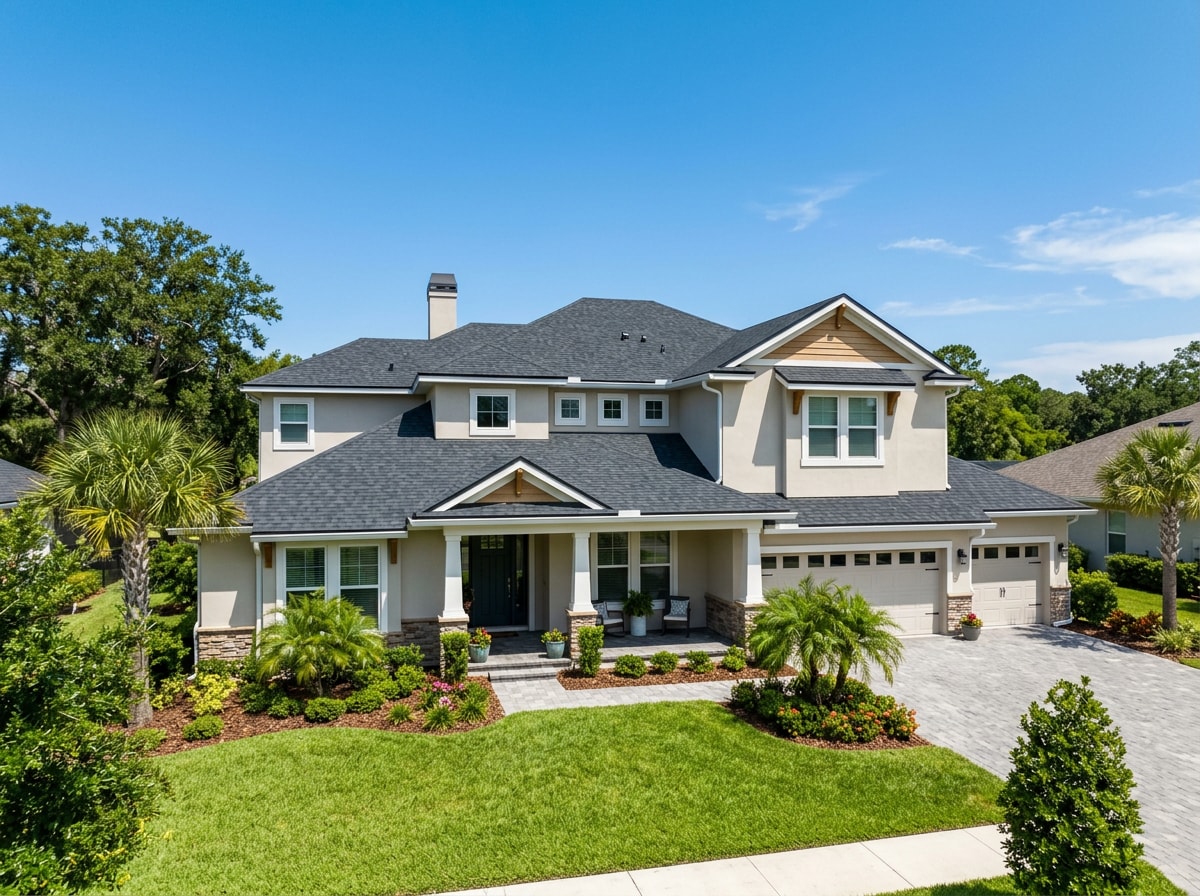
Practical Tips for Making a New Roof More Affordable
Keeping overall costs down starts before you sign a financing agreement.
- Get multiple written quotes so you have a baseline for what's reasonable in your area.
- Keep every document together: the original estimate, the financing agreement, and any email correspondence.
- Ask whether a partial cash payment lowers the amount financed. Even a modest upfront contribution reduces total interest paid.
- Address small issues early. A roof inspection that catches a problem while it's minor is almost always cheaper than waiting for it to compound.
If you're not sure where your roof falls on that spectrum, our Tallahassee service area page has free inspection scheduling, and our pricing breakdown for roof repair in Tallahassee walks through typical cost ranges before you apply for financing.
FAQ
What Credit Score Is Needed for Roof Financing?
Most standard roof financing programs look for a score in the fair-to-good range or higher, though cutoffs vary by lender. FICO's own tiers run Exceptional (800-850), Very Good (740-799), Good (670-739), Fair (580-669), and Poor (300-579) . Contractor-arranged promotional financing sometimes accepts scores on the lower end of "fair" with adjusted terms, while traditional installment loans hold stricter cutoffs.
How Fast Is Roof Financing Approval?
Contractor-arranged financing often delivers a decision within minutes to a day, since it's built for quick funding after an estimate. Traditional bank or credit union loans can take several days to a couple of weeks depending on documentation required.
Can I Pay Off My Roof Financing Early?
It depends on the program. Many plans carry no prepayment penalty, and 0%-interest promotional plans often reward paying early since that's how you avoid deferred interest. Always confirm this in writing before signing, because terms vary by lender.
What Financing Options Are Available for a New Roof?
Beyond contractor-arranged plans, homeowners can also look at a home equity loan or HELOC, a personal loan, credit card financing, an FHA Title I Property Improvement Loan, or applying insurance claim proceeds first and financing only the remaining gap.
What If My Roof Cost Changes After I Apply for Financing?
Most lenders require a new or revised estimate before adjusting an approved loan amount. If the scope of work changes once a roofer opens up the decking or finds additional damage, expect an updated application rather than an automatic increase to the original approval.
Ready to compare your options? Get a free estimate from Alpha One Roofing Tallahassee and we'll walk you through financing terms that fit your project, your budget, and your timeline. You can also start on our homepage to see the full range of services available across the Tallahassee area.