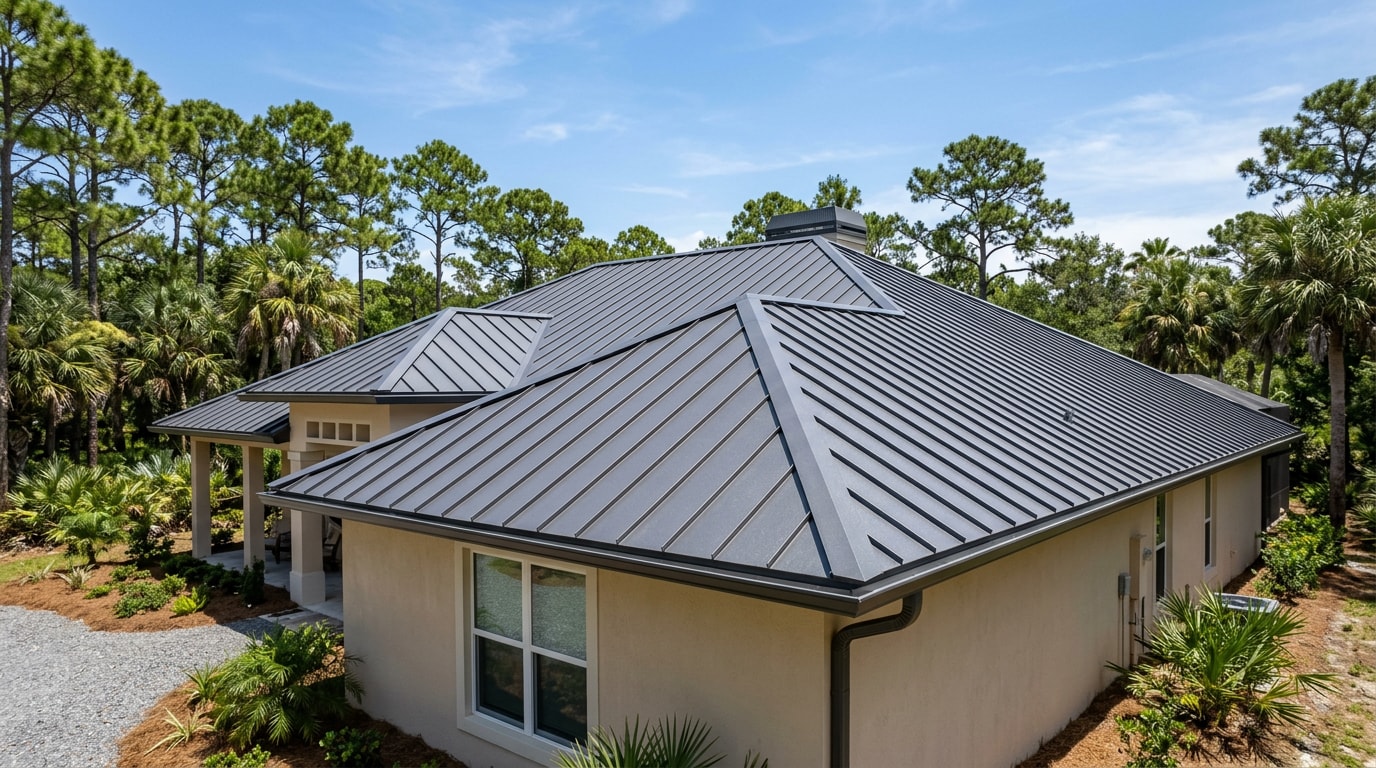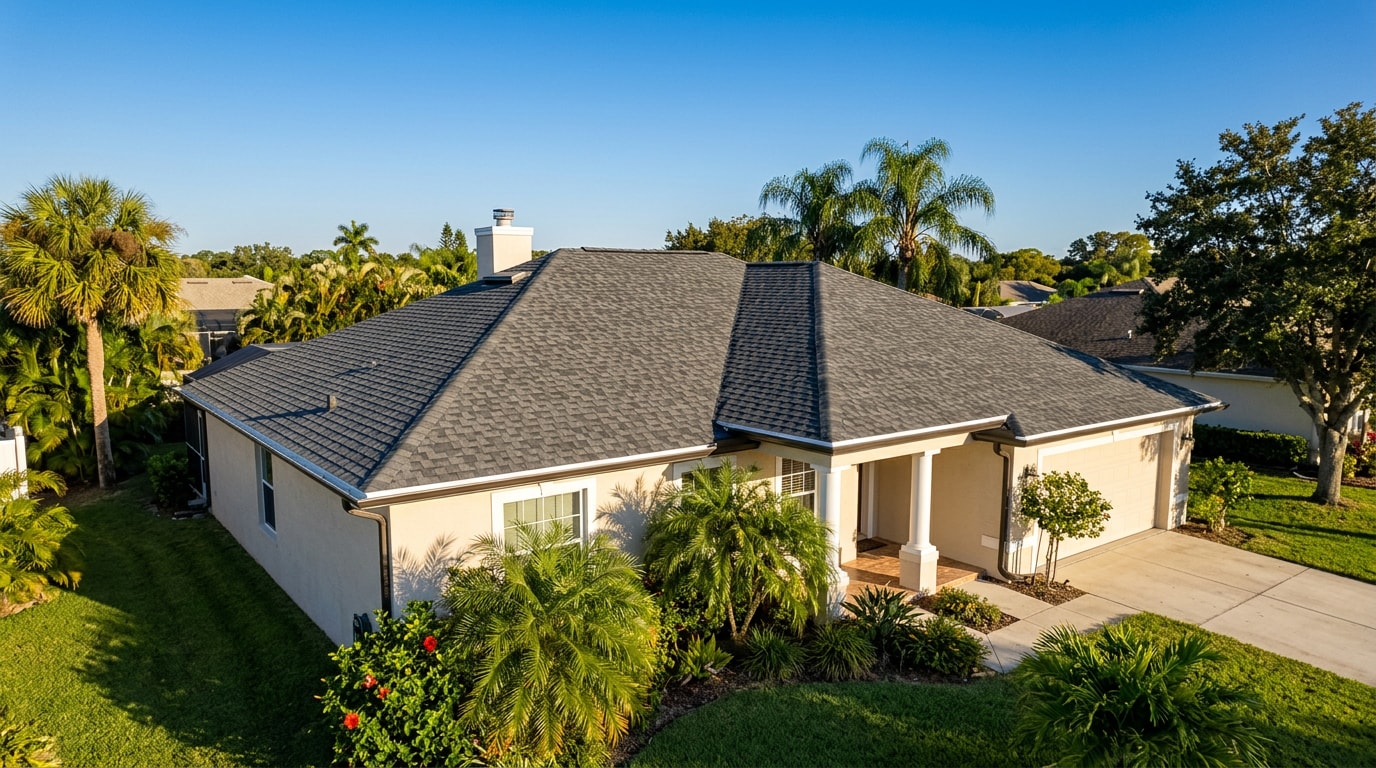
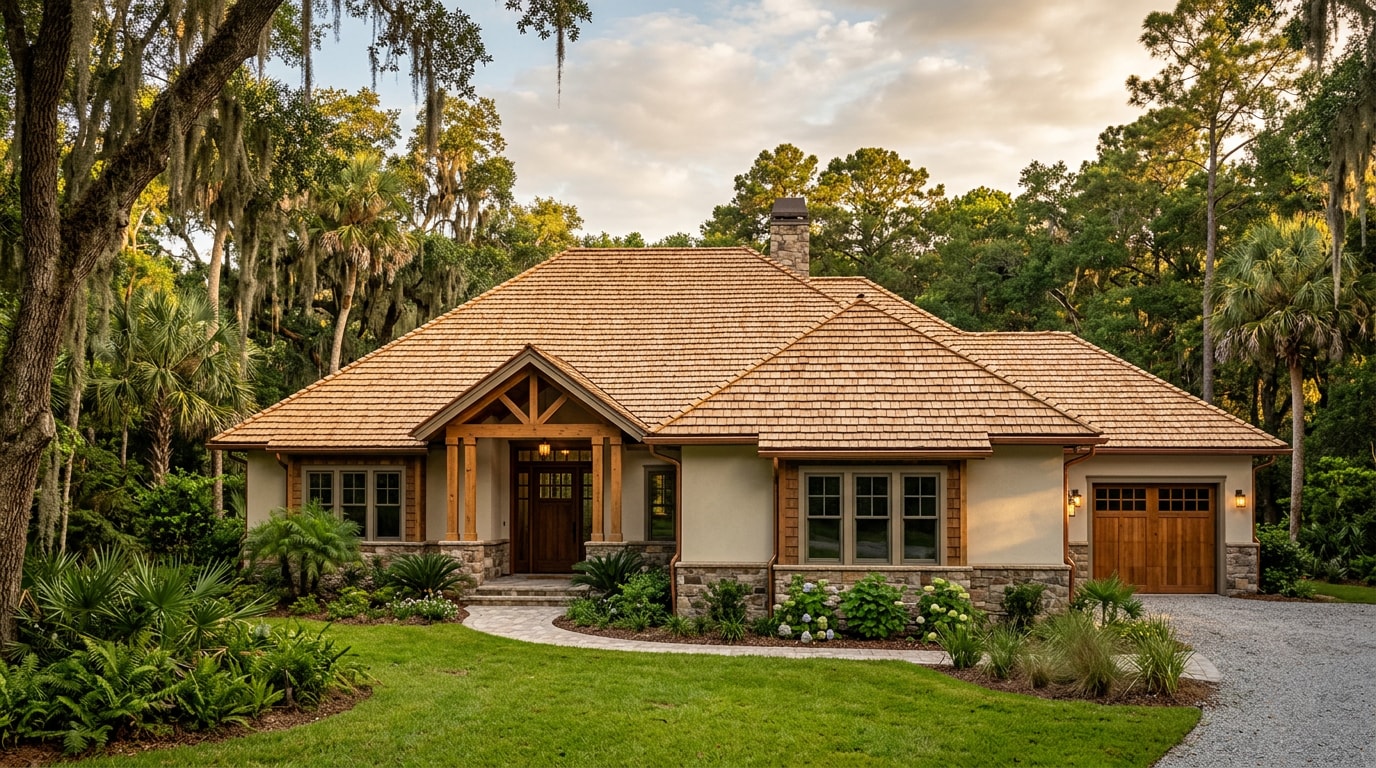
Searching for cedar roofing companies near me in Monticello, FL usually means you're past the "maybe" stage and into "what will this actually cost and who can do it right." Cedar shake brings a rustic look that few other roofing materials match, but it also comes with fire-code questions, insurance hurdles, and upkeep that asphalt and metal simply don't have. Here's what to check before you sign a contract, what it costs locally, and whether it's the right call for a Jefferson County home.
What to Look for in a Cedar Roofing Contractor Near Monticello
Cedar shake punishes a bad installation faster than almost any other roofing material. Gaps cut too tight, the wrong underlayment, or missed fastener spacing can cut years off a roof that should last decades.
Before you hire anyone, confirm:
- Documented wood-roofing experience — not just asphalt shingle jobs. Ask to see cedar-specific projects, not a general portfolio.
- Current Florida licensing and insurance, verified directly with the state, not just taken on faith from a business card.
- Familiarity with Jefferson County permitting. State code sets the baseline, but the local building department still has to sign off before work starts.
- A written workmanship warranty separate from the manufacturer's material warranty.
- A real walkthrough of code compliance, including product approval numbers for the shakes they plan to install.
If a contractor can't answer questions about underlayment type, fastener material, or fire-retardant grading without hesitation, that's a red flag on a cedar job specifically, even if they're perfectly capable on composition shingles. You can see examples of completed wood and specialty roofing work on our projects page, and our Monticello service area page covers what local permitting typically involves.
What Is a Cedar Shake Roof?
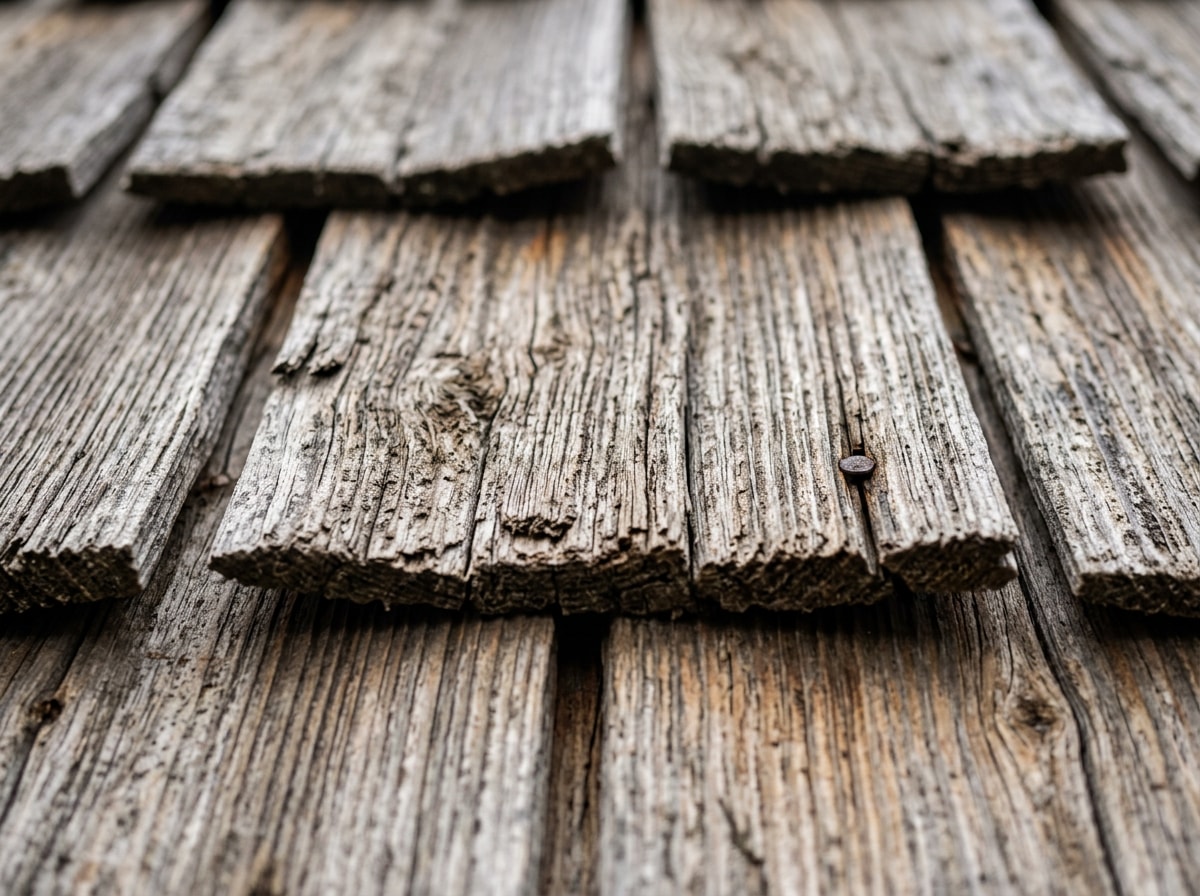
A cedar shake roof is a roofing system made from hand-split or machine-sawn cedar, prized for a rustic, dimensional look that other materials can't fully replicate. Shake differs from shingle mainly in thickness and texture: shake is hand-split and thicker with a rougher profile, while shingle is machine-cut smooth and more uniform.
Both fall under the broader category of wood roofing. Nationally, well-maintained cedar shake can last 30 to 50 years, but Florida's humidity, UV exposure, and insect pressure typically cut that shorter here, which is why local lifespan estimates run closer to 20 to 25 years with consistent upkeep.
Cedar Shake Roof Cost in Florida
Materials and installation for cedar shake in Florida typically run $10 to $18 per square foot, which puts a typical 2,000-square-foot roof in the $20,000 to $36,000 range depending on roof complexity, labor, and shake grade. That spread covers the specialized underlayment and corrosion-resistant fasteners cedar installations require in a coastal-adjacent climate.
Florida pricing tends to run above national averages for two reasons. Cedar is usually shipped in from Canada or the Pacific Northwest, so freight adds to the bill, and there are fewer contractors locally who install wood roofing regularly compared to asphalt shingle crews.
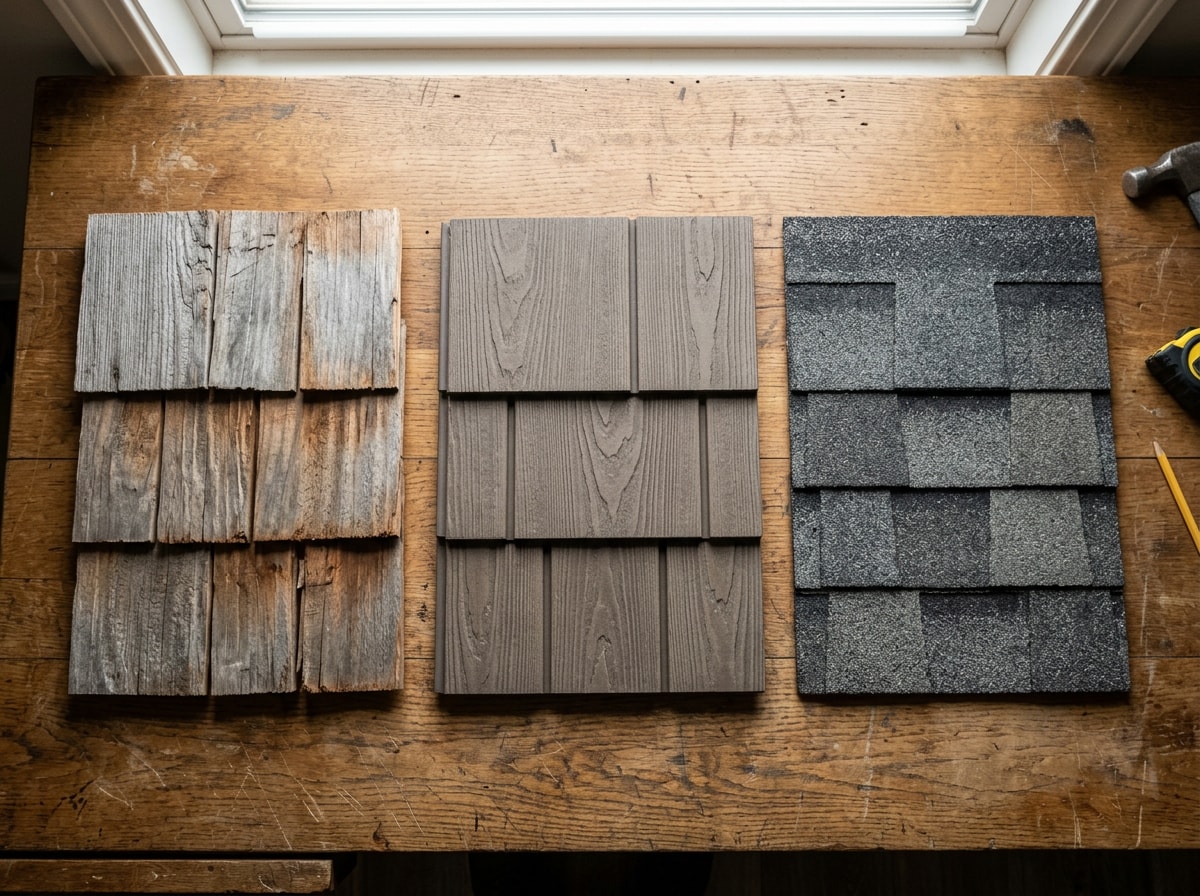
Here's how cedar compares to common alternatives on a per-square-foot basis:
| Material | Cost per sq ft (installed) | Typical lifespan | Maintenance |
|---|---|---|---|
| Natural cedar shake | $10–$18 | 20–25 yrs (FL) | High |
| Synthetic/composite shake | $8–$14 | 40–50 yrs | Low |
| Asphalt shingle | $3.50–$6.50 | 20–25 yrs | Low |
Before locking in a material, it helps to run these numbers against your home's actual size and roof slope. Our construction estimates page can walk you through replacement cost scenarios specific to your property, or you can get a free estimate directly.
Fire Risk, Insurance & Maintenance Challenges
Untreated cedar shakes typically achieve Class C at best, which is insufficient for many Florida jurisdictions , so most installations use pressure-impregnated treated product instead. The Cedar Shake & Shingle Bureau grades these as Certi-Guard fire-retardant treated shakes, and there are three classifications of pressure impregnated fire retardant treated roofing systems, with both Class C and Class B treatments available . A full Class A rating requires a specific assembly on top of that treated product, not the shake alone.
That fire classification matters directly for insurance. A growing number of carriers scrutinize wood roofs closely, and even treated cedar is often underwritten more cautiously than metal or asphalt. It's worth confirming coverage and any premium difference with your insurer before you commit to a cedar roof, not after the contract is signed.
Maintenance is the other ongoing cost people underestimate. Florida's year-round humidity accelerates wood decay, and Florida's climate index for wood decay potential runs higher than most of the country, with peninsular Florida showing exceptionally high decay risk according to University of Florida research on treated wood performance. In practice, that means plan on periodic cleaning, resealing every few years, and inspections for moisture intrusion or insect activity. Skipping that schedule is the fastest way to shorten a cedar roof's life in this climate. A routine roof inspection can catch early moss growth or soft spots before they turn into a bigger repair.
Florida Building Code Requirements for Wood Roofing
Florida addresses wood roofing in the Florida Building Code, Residential, with wood shingles under Section R905.7 and wood shakes under Section R905.8. All wood shakes must be installed in accordance with the manufacturer's installation instructions and the Cedar Shake and Shingle Bureau New Roof Construction Manual or RAS 130, and the product approval must state the allowable uplift resistance for the attachment system, limited to roofs where that resistance meets or exceeds the design uplift pressure .
The current code is the Florida Building Code, 8th Edition (2023), which became effective on December 31, 2023 , so any installer quoting "code compliant" work should be referencing that edition, not an older one. Even with statewide code compliance, Jefferson County's building department still has final sign-off on any permit, which means state code and local approval are two separate checkpoints. A wind mitigation report can also document how your roof assembly performs against the uplift requirements insurers look for.
Cedar Shake vs. Synthetic & Other Roofing Materials
Natural cedar, synthetic shake, and asphalt each solve a different problem. Cedar offers texture nothing else fully matches but demands the highest upkeep and cost. Synthetic shake mimics that look with far less maintenance and a longer service life, while asphalt stays the budget option with the shortest realistic lifespan of the three.
Composite shake products commonly carry a Class A fire rating, and leading synthetic cedar shake alternatives for Florida include options rated Class A fire with warranties around 50 years , which is a meaningful gap compared to the Class B or C most treated natural cedar achieves. We cover this comparison in more depth in our synthetic cedar shake roofing guide, including cost and durability specifics for North Florida homes.
Reflective, lighter-colored roofing can also reduce cooling costs in Florida's climate. The three properties to look for when selecting a roof material to reduce building cooling load are high solar reflectance, endurance of that reflectance over time, and high emittance , per Department of Energy guidance, factors cedar generally doesn't offer compared to reflective metal or coated synthetic products.
Synthetic Shake at a Glance
- Class A fire rating on most composite products, versus Class B/C for treated natural cedar
- Warranty terms commonly in the 40 to 50-year range
- Resists rot, insects, and splitting without the resealing cedar needs
- A practical option for homeowners who want the cedar look without the upkeep schedule
The Importance of Hiring an Experienced Roofing Company
Hiring experience matters more with cedar than with almost any other roofing material, because improper installation can shorten its lifespan dramatically in a hurry. Confirm the contractor has done wood roofing specifically, not just asphalt, and ask directly about manufacturer warranty terms and their own workmanship guarantee before signing anything.
A qualified cedar installer should walk you through code compliance, product approval documentation, and a realistic maintenance schedule without hedging. If you're also weighing a full roof replacement versus a new installation on new construction, that's worth discussing up front, since the scope and permitting differ.
Is Cedar Shake Roofing Right for Your Monticello Home?
Even in Florida's climate, cedar shake can hold up for decades, but that durability depends almost entirely on whether the homeowner keeps up with cleaning, resealing, and inspections on schedule. In our experience inspecting older wood roofs around Jefferson County, the ones that make it to 25 years are the ones with a documented maintenance history, not just a good installation.
Cedar tends to be the right call for homeowners who want authentic curb appeal and have the budget and patience for ongoing upkeep. If low-maintenance is the priority, synthetic shake can deliver a similar look with a fraction of the long-term work. For a roof assessment specific to your property, request a free estimate or visit our homepage to see our full range of roofing services.
FAQ
Is Cedar Shake Roofing Allowed in Florida?
Yes, with restrictions. Florida's building code permits wood shakes under Section R905.8, but product approval, grading, and uplift documentation are required, and some HOAs restrict or ban wood roofing outright regardless of state code. Always confirm current requirements with the Jefferson County building department before planning an installation.
How Much Does a Cedar Shake Roof Cost in Florida?
Cedar shake typically runs $10 to $18 per square foot installed in Florida, putting a 2,000-square-foot roof between roughly $20,000 and $36,000 depending on materials, labor, and roof complexity.
How Long Does a Cedar Shake Roof Last in Florida?
Expect 20 to 25 years in Florida's climate, shorter than the 30-to-50-year national average because of humidity, UV exposure, and insect pressure. Consistent cleaning and resealing every few years meaningfully extends that lifespan.
Will Insurance Cover a Cedar Shake Roof in Florida?
Some carriers will, but many underwrite wood roofs more cautiously than metal or asphalt, and premiums are often higher even with fire-retardant-treated shakes. Confirm coverage and pricing with your specific insurer before committing to the material.
Is Cedar Shake Roofing Worth It in Florida?
It's worth it for homeowners who prioritize authentic curb appeal and are prepared for higher upfront cost and ongoing maintenance. Homeowners who want a similar look with less work often choose synthetic shake instead.
What's the Difference Between Cedar Shake and Cedar Shingle?
Shakes are hand-split or machine-resawn and thicker, giving a rougher, more dimensional look. Shingles are machine-cut smooth and more uniform, and typically cost less per square foot than shake.
About the Author
This guide was reviewed by a Florida state-certified general contractor and co-owner of Alpha One Roofing, which serves Monticello and the surrounding Big Bend and Florida Panhandle region. Questions about a specific property can be directed through our contact page.