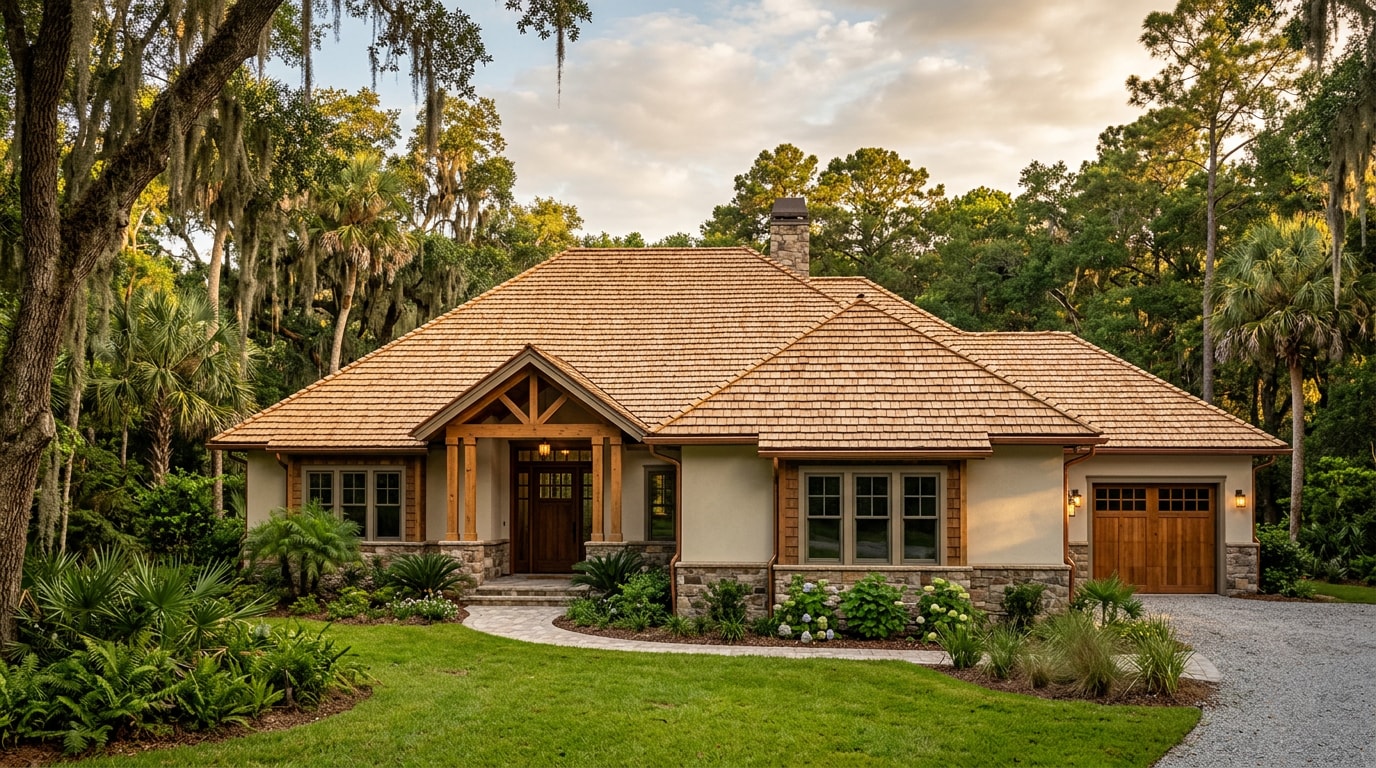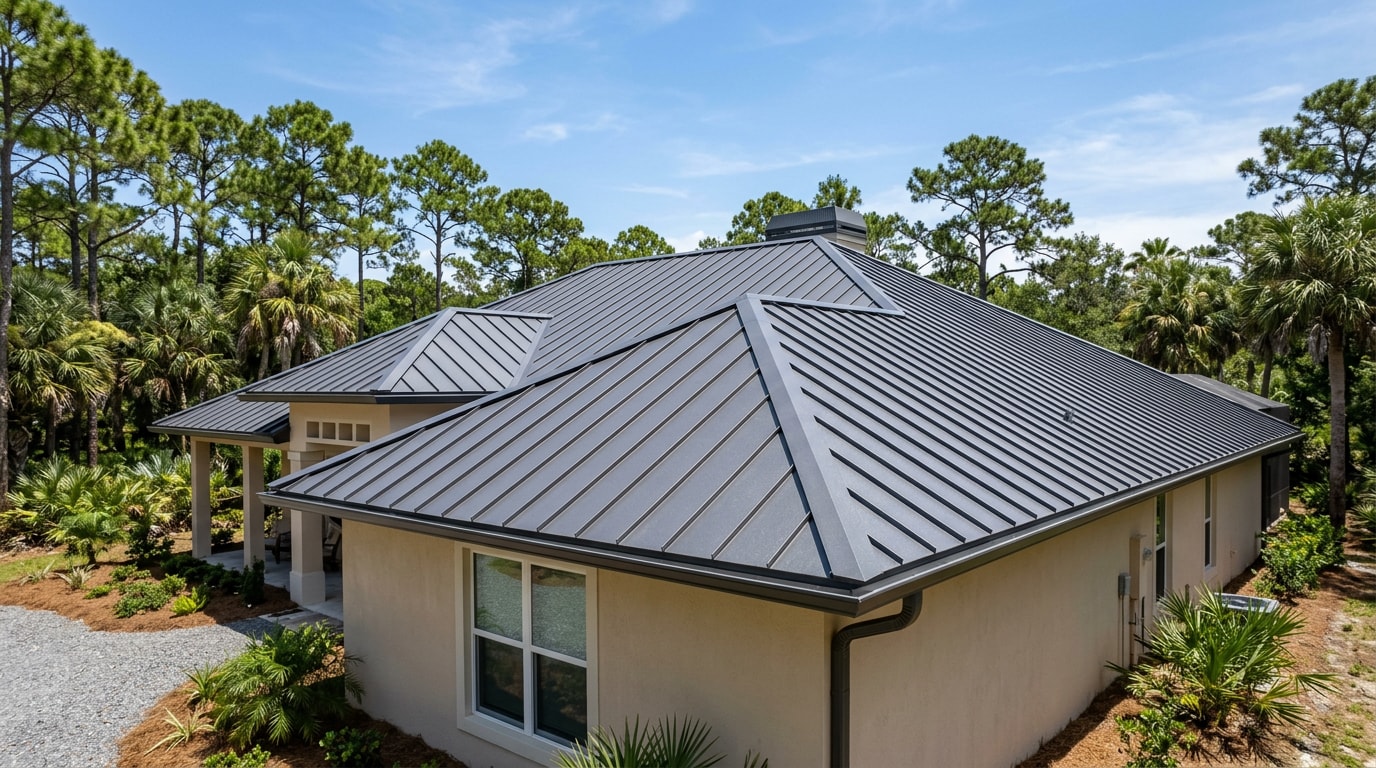
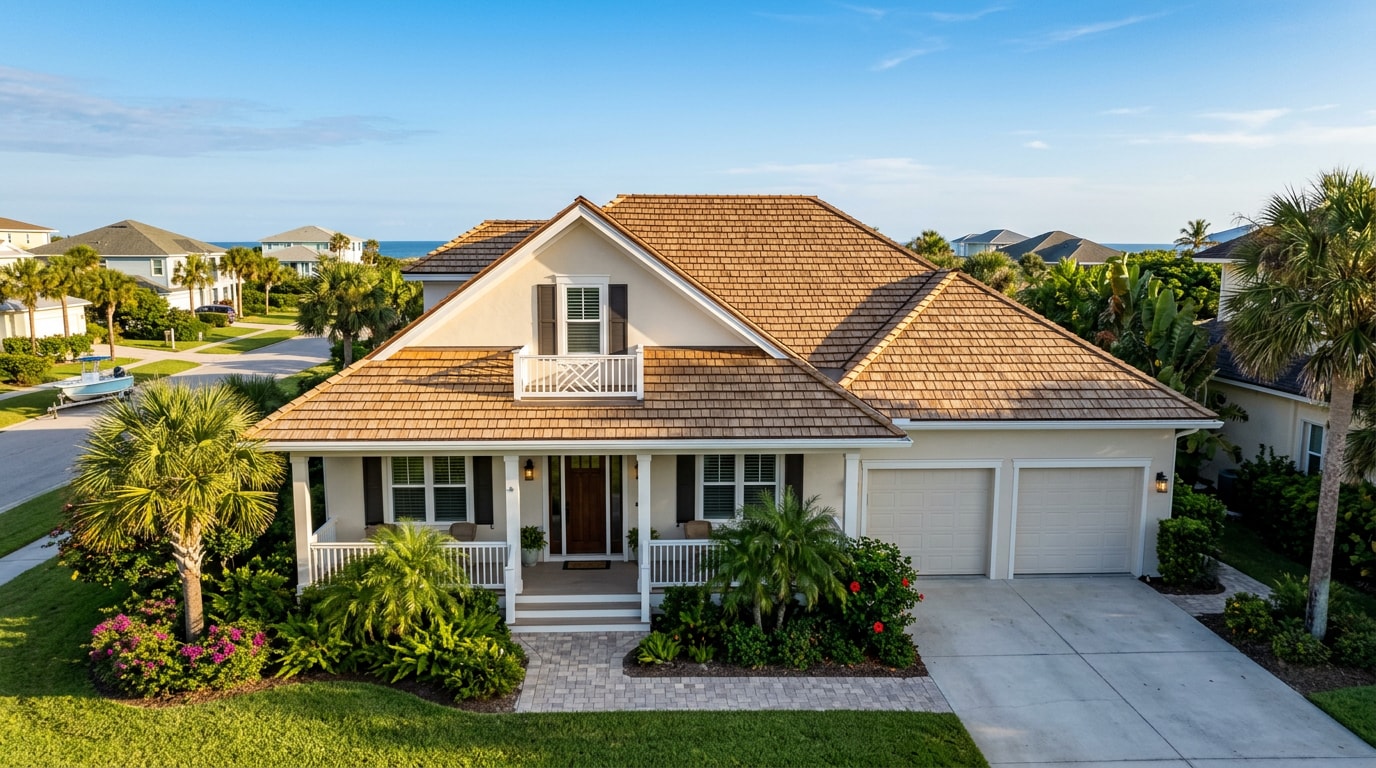
Synthetic cedar shake roofing gives St. Marks homeowners the hand-split cedar look without the moisture problems that wreck real wood on the Gulf coast. Salt air, humidity, and named-storm season make this a different material decision than it would be inland. This guide breaks down what synthetic shake is, how it performs against hurricanes and heat, what it actually costs installed, and when real cedar still makes sense.
What Is Synthetic Cedar Shake Roofing?
Synthetic cedar shake is a molded shingle engineered to copy the look of hand-split cedar: the grain lines, the staggered thickness, the deep shadow lines. Manufacturers cast each shake from a mold taken off real cedar, so the texture reads as authentic from the street or a second-story window.
Most products on the market today are built from one of three material families: rigid polymer, polyurethane, or recycled plastic-and-rubber blends. These are sometimes marketed as composite shake or faux cedar shake, and it's worth telling them apart from asphalt shingles with a printed woodgrain pattern. Printed asphalt is flat and stamped. Polymer shake is molded, dimensional, and built to flex instead of crack.
That distinction matters more in Florida than almost anywhere else, because the material underneath the texture, not the look on top, is what decides whether the roof survives a Gulf Coast summer.
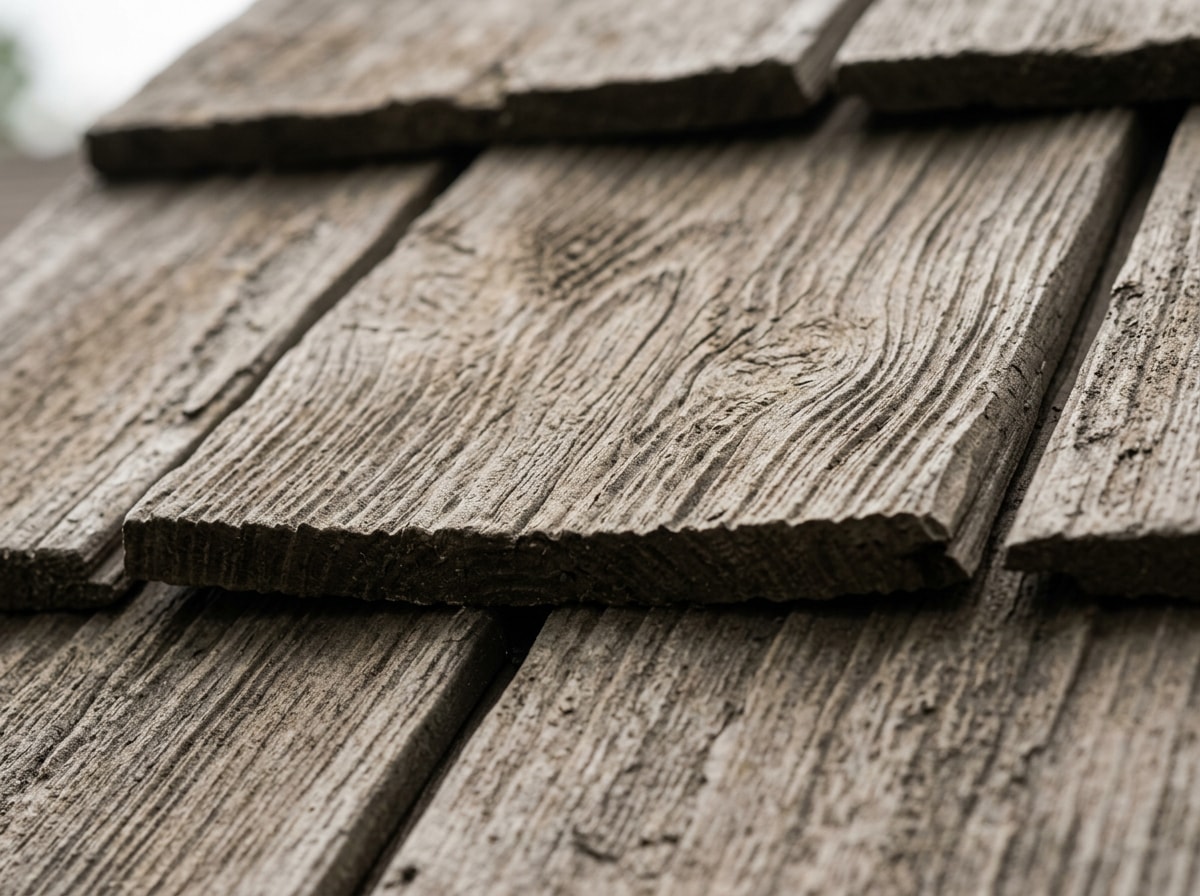
Why Real Cedar Shake Struggles Along the Wakulla County Coast
Wood shingles absorb moisture, and St. Marks doesn't give them much of a break: thick coastal humidity, frequent rain, and direct exposure to Apalachee Bay. Over time untreated shakes cup, curl, and crack, and mold or rot can set in faster here than it would 100 miles inland.
Real wood shake is also custom split and cut piece by piece, which makes manufacturing, repair, and eventual replacement slow and expensive. In a wind-borne debris region that sees regular tropical activity, that combination of moisture vulnerability and limited wind resistance is a real liability, not a cosmetic one.
Florida's coastal wind zones carry specific code requirements for roof coverings, and the Florida Building Commission maintains the statewide product approval system that every roofing material, including wood shake, has to clear before it can go on a home here. Untreated wood shake often needs costly fire and wind upgrades just to meet that bar.
How Synthetic Shake Performs in St. Marks' Climate
Here's where synthetic shake earns its upfront cost. The polymer composition resists water absorption almost completely, so panels don't swell, curl, or rot the way wood does in humid conditions. UV-stable pigments also keep the color consistent instead of letting it gray out the way real cedar does after a few Gulf Coast summers.
Most synthetic cedar shake lines carry wind and impact ratings built for coastal exposure, which matters directly for a hurricane corridor town like St. Marks. Before any of these products reach a Florida roof, they go through independent testing and get documented in an ICC-ES evaluation report that building officials use to confirm the product meets wind uplift and impact standards for the jurisdiction.
One detail most cost guides skip: a synthetic shake roof installed and documented correctly can sometimes qualify for insurance wind mitigation credits, the same way impact-rated shingles or metal roofs do. If you're not sure whether your home already qualifies, a wind mitigation report from a licensed inspector is the only way to know, and it can shave real money off a windstorm premium.
Synthetic Shake vs. Real Cedar: Side-by-Side Comparison
Set the two materials next to each other on paper and the trade-offs get easy to evaluate.
| Material | Typical Lifespan | Fire Rating | Avg. Install Cost (per sq ft) |
|---|---|---|---|
| Synthetic cedar shake | 40–50 years | Class A | $9–$14 |
| Real cedar shake | 20–30 years in humid coastal climates (up to 50 with aggressive maintenance) | Class C (untreated) | $8–$12 |
Treat these as planning ranges, not a quote. Roof pitch, access, tear-off scope, and the specific product line all move the final number, which is why a construction estimate from a local crew matters more than any national average.
Lifespan: Why the Gap Widens on the Coast
Synthetic cedar shake typically carries a 40-to-50-year lifespan, often backed by a 50-year manufacturer warranty. Real cedar shake generally needs major maintenance or full replacement within 20 to 30 years in a climate like St. Marks', even sooner without consistent oiling, cleaning, and spot repair. Inland and drier climates can stretch real cedar's life closer to 50 years; Gulf Coast humidity doesn't allow that same margin.
Appearance: Does Synthetic Actually Pass for Real Cedar?
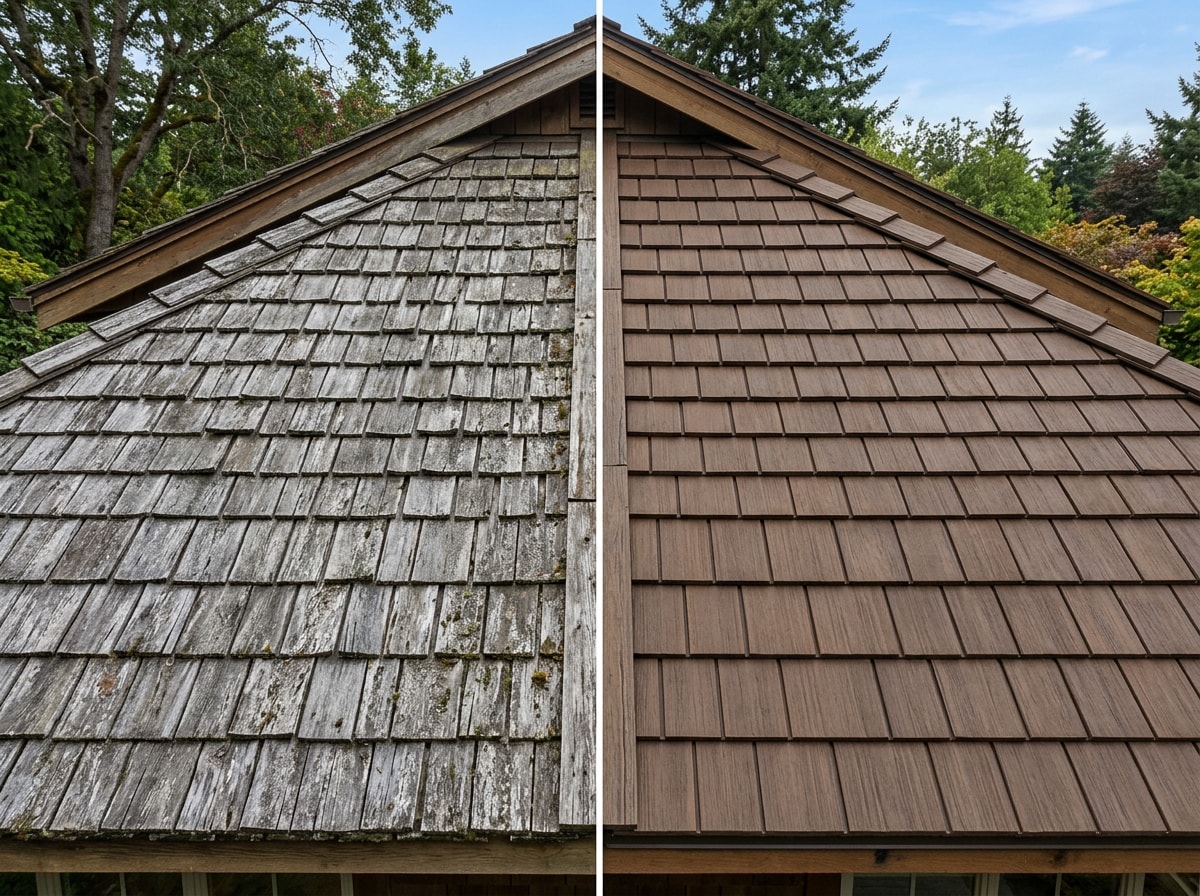
Quality synthetic shake closely replicates cedar's grain texture and staggered shadow lines, though the two age very differently. Real cedar weathers to a silvery-gray patina as it dries out. Synthetic shake holds its original color and texture far longer because the UV-resistant pigment is built into the material, not applied on top.
Some homeowners prefer that aged, weathered look and see synthetic's consistency as less "authentic." Others see the opposite: no graying, no uneven fading, and no mismatched color between replacement shingles after storm damage.
Synthetic Cedar Shake Roofing Cost in St. Marks, FL (2026)
Synthetic cedar shake typically runs $9 to $14 per square foot installed in this market, compared to roughly $8 to $12 per square foot for real cedar shake before any fire-retardant treatment. Cedar's number climbs fast once you add treatment and the recurring maintenance it demands over the roof's life.
Local cost drivers matter as much as the material itself:
- Roof pitch and the number of vents, skylights, and other penetrations
- Full tear-off of the old roofing material versus a simpler recover
- Site access for crews and equipment
- Hurricane-rated underlayment and the extra fastening a coastal install requires
| Cost Factor | Typical Range |
|---|---|
| Material (per sq ft) | $4.50–$7.00 |
| Labor (per sq ft) | $4.50–$7.00 |
| Tear-off & disposal | $1–$3 per sq ft |
| Hurricane-rated underlayment upgrade | $0.50–$1.50 per sq ft |
These figures reflect current regional pricing and will shift with roof complexity and material costs. If you're comparing synthetic shake against lower-cost options for a Wakulla County property, our cost guide for St. George, FL breaks down where shake ranks against asphalt and metal on a straight dollar basis. The only way to get a number specific to your roof is a site visit, so get a free estimate before you commit to a material.
The Trade-Offs: What Synthetic Cedar Shake Doesn't Do Well
Synthetic shake isn't a win on every metric, and it's worth hearing the downsides before you sign a contract.
- Higher sticker price than asphalt. It's the first objection most budget-conscious buyers raise, and it's a fair one.
- Installation takes more skill. Crews need experience with shake-specific spacing, fastening patterns, and flashing details. An installer unfamiliar with the product can turn a one-week job into a two-week one.
- Fewer color and style options than the full range of natural cedar grades, though most manufacturers now offer at least half a dozen finishes.
- Added weight on older framing. Depending on the product, a structural check is worth doing before installation, especially on homes built before modern wind-load standards.
None of these are dealbreakers for most buyers, but none of them disappear just because a sales pitch skips them either.
Maintaining a Synthetic Cedar Shake Roof
Low maintenance doesn't mean zero maintenance. Two habits protect the 40-to-50-year lifespan synthetic shake is sold on.
1. Inspect Twice a Year, and After Every Storm
Walk the roofline or hire a professional to check it at least twice annually, plus any time a named storm passes through. This catches loose shakes, debris buildup, or minor flashing issues before they become leaks. The National Roofing Contractors Association publishes consumer guidance recommending regular seasonal inspections as a baseline for residential roofs, and that standard applies just as much to synthetic shake as it does to asphalt. If a storm has already come through, a storm damage assessment will tell you whether what you're looking at is cosmetic or structural.
2. Clean It the Right Way
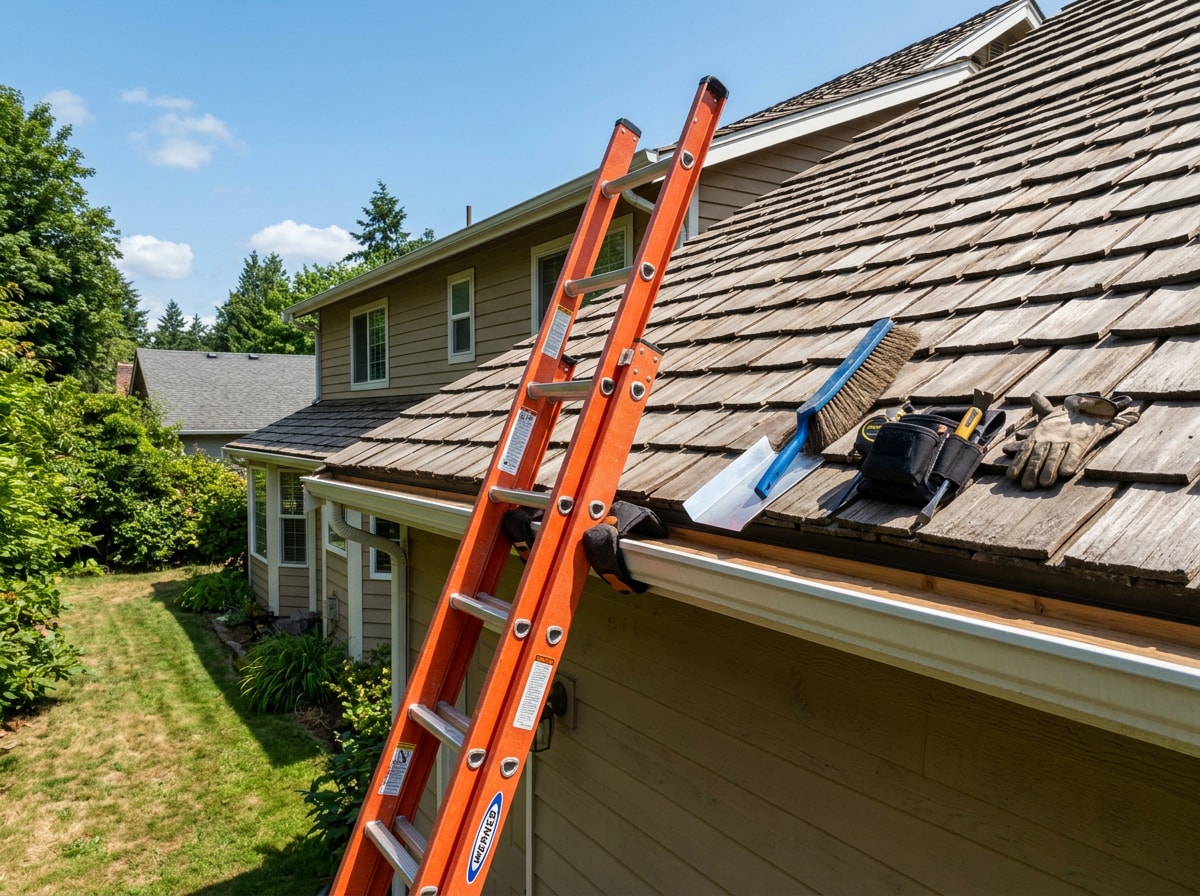
A soft-bristle brush or a pressure washer on a low setting is usually enough to clear moss, algae, and debris. Skip harsh chemical cleaners and high-pressure settings. Both can wear down the surface coating over time and dull the UV protection built into the shingle.
Is Synthetic Cedar Shake Worth It for Your St. Marks Home?
The decision usually comes down to priorities. Homeowners who want low maintenance, hurricane resilience, and long-term value in a humid coastal climate tend to land on synthetic. Homeowners drawn to the character of real, aging wood, and willing to accept a shorter practical lifespan and more upkeep, may still prefer natural cedar.
Our crews have worked on roofs across the Florida Panhandle, from Tallahassee down to St. Marks and St. George, and the pattern holds: synthetic shake roofs installed with hurricane-rated underlayment and proper fastening are the ones still performing cleanly after multiple storm seasons, while untreated wood shake on similar homes needs shingle-by-shingle repair far sooner. Given St. Marks' storm exposure and humidity, synthetic is the more practical long-term choice for most local homeowners, even with the higher upfront investment.
If your current roof is a roof replacement candidate rather than a repair, synthetic shake is worth putting on the shortlist alongside metal and architectural asphalt. Check our St. Marks, FL service area page to confirm coverage, or visit the homepage for the full range of services we handle across Wakulla County.
FAQ
What fire rating does synthetic cedar shake have?
Leading synthetic cedar shake products carry a Class A fire rating, the highest available, without needing a special fire-resistant underlayment. Untreated real cedar typically rates only Class C. UL tests roof coverings under UL 790 to assign these classifications, and the gap between Class A and Class C is significant for both safety and insurance purposes.
Is synthetic cedar shake better than real cedar for St. Marks homes?
It depends on your priorities. Synthetic wins on maintenance, fire resistance, and weather durability in a humid coastal climate. Real cedar wins on authentic wood character and the patina that only comes with natural aging. For St. Marks specifically, synthetic generally offers the better long-term value given storm exposure and humidity.
How long does a synthetic cedar shake roof last?
Most synthetic cedar shake roofs carry 40-to-50-year manufacturer warranties, though actual performance depends on installation quality, local climate exposure, and product grade. Proper installation and routine inspections help a roof reach the higher end of that range.
What is synthetic cedar shake roofing made of?
Synthetic cedar shake is typically made from engineered polymers, polyurethane, or recycled plastic-and-rubber blends, often reinforced with UV inhibitors. These materials are molded to copy cedar's texture without absorbing moisture the way real wood does.
Will an HOA or historic district in St. Marks allow synthetic cedar shake?
Some HOAs and historic overlays require genuine natural materials, so check your covenants before ordering. Many now accept approved synthetic cedar shake because it replicates the wood look closely and carries Class A fire and high-impact ratings that natural, untreated cedar can't match.
Is synthetic cedar shake roofing worth the extra cost over asphalt?
For most St. Marks homeowners planning to stay in the home long term, yes. The higher install cost is offset over time by a longer lifespan, lower maintenance spending, and better storm performance than standard architectural asphalt. If you're weighing it against every budget option available locally, request a free estimate so you can compare real numbers for your roof instead of national averages.