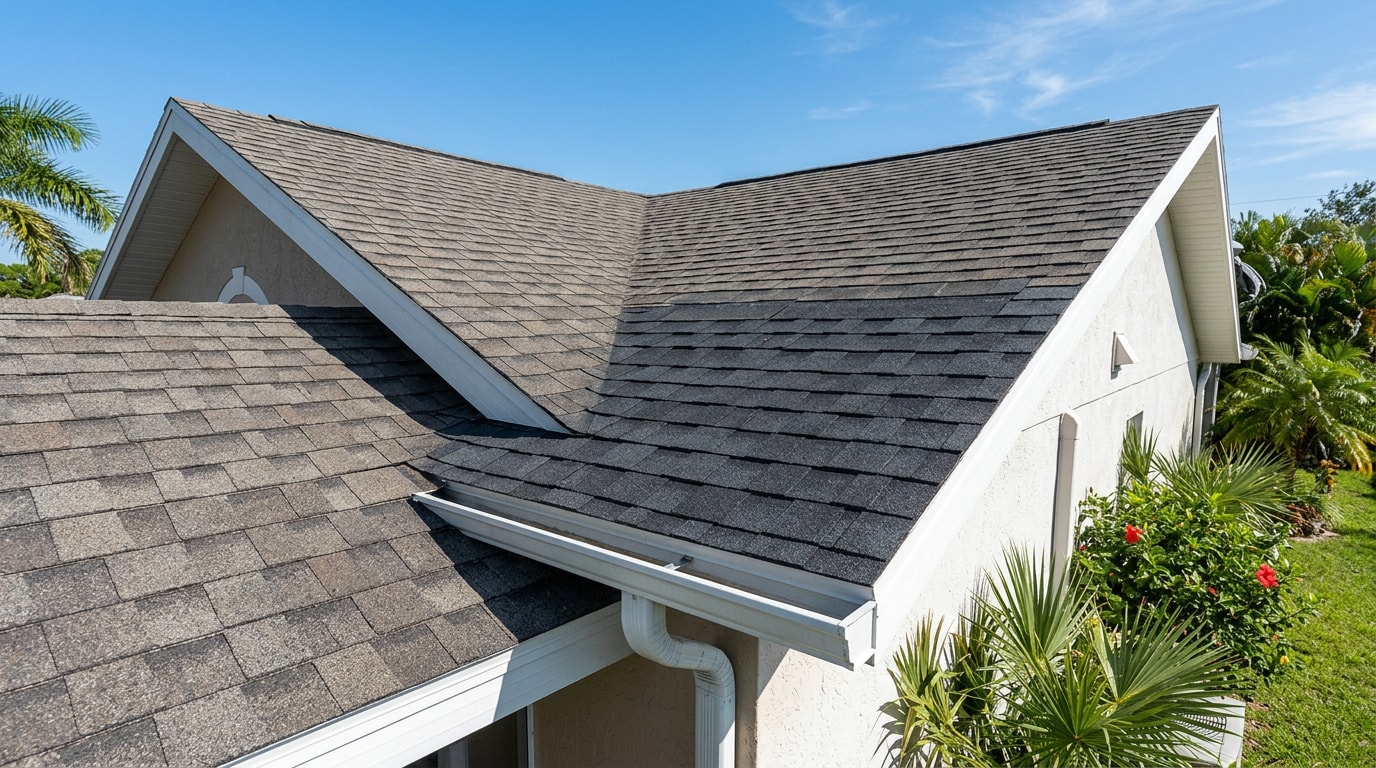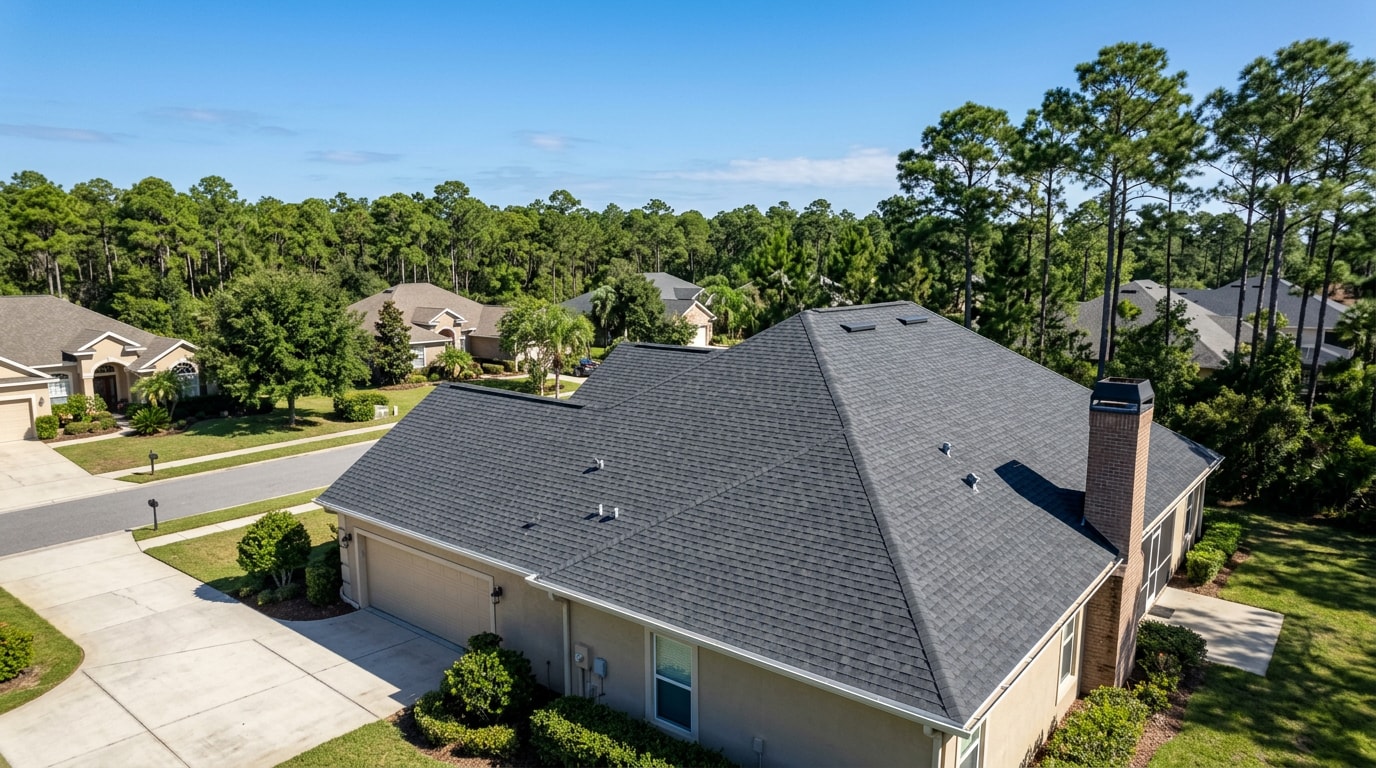
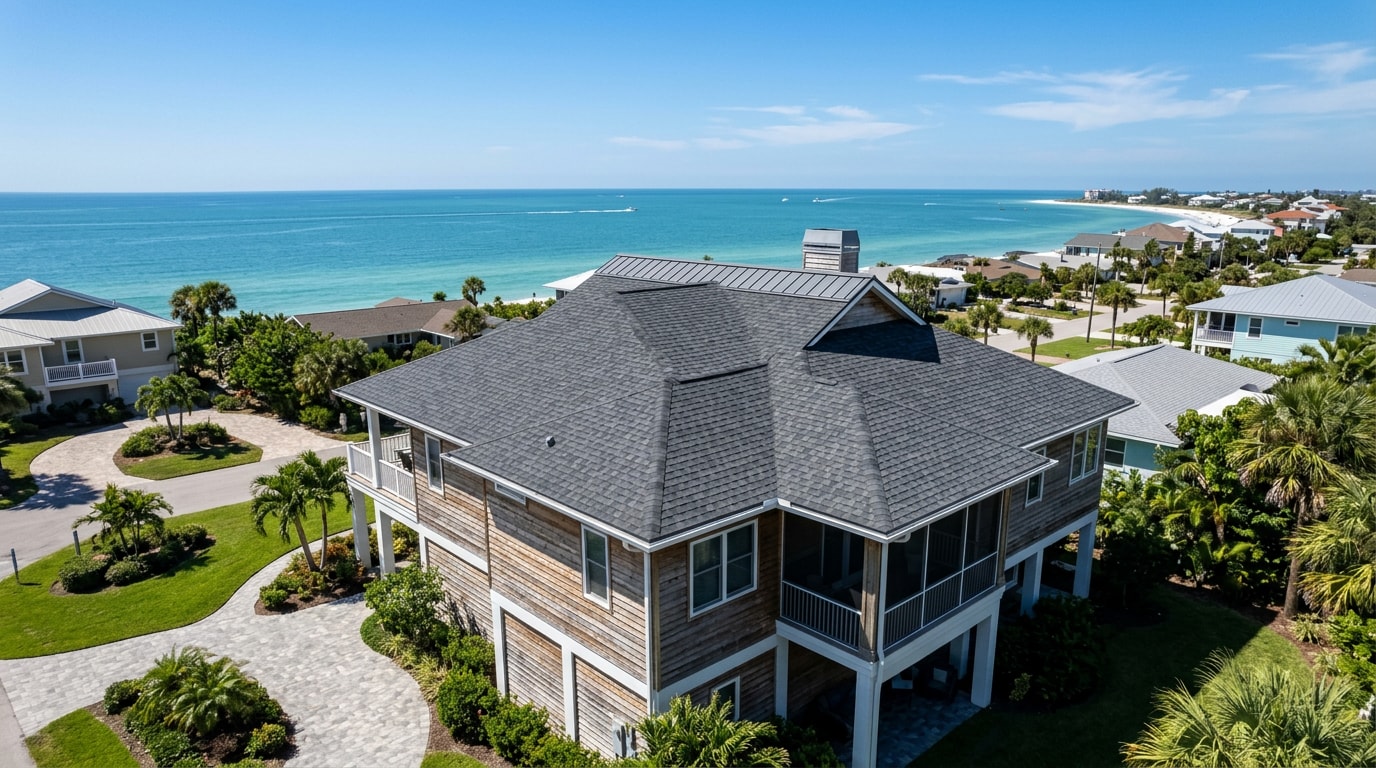
The cheapest roofing material in St. George, FL is 3-tab asphalt shingles on a pure cost-per-square-foot basis, but that's only half the answer here. St. George Island sits in one of Franklin County's strictest wind zones, so a roof that's "cheap" on a national pricing chart might not legally qualify for a re-roof permit on the island. This guide breaks down real costs, lifespans, and the local wind rules that actually decide what you're allowed to install.
What Is the Cheapest Roofing Material?
Asphalt shingles are the cheapest roofing material based on upfront cost alone, typically running well below metal, tile, or wood per square foot installed. They're also the most widely used residential roofing material in the country, which keeps labor and material costs predictable.
That said, the lowest-cost roof isn't always the cheapest option over time. Metal, tile, and quality wood shake all cost more upfront but can outlast asphalt shingles by decades, which changes the real roofing material cost once you factor in replacements. We've pulled permits for re-roofs across Franklin County's barrier islands, and the detail most national cost guides skip is the one that matters most here: a local wind code that quietly rules out the cheapest option for part of the county.
If you want a faster path to a number, request a free estimate and we'll price your roof against the island's actual code, not a statewide average.
St. George Island's Wind Code Changes What "Cheap" Means
Franklin County doesn't apply one wind speed rule countywide. New construction and substantial re-roofs on St. George Island require 140 mph wind load design, while the rest of unincorporated Franklin County is held to 130 mph . That 10 mph gap sounds small, but it pushes some lower-tier products out of the running entirely for island homes.
The county's own building guidance also specifies that metal roofs require 26-gauge metal on St. George Island, which rules out the thinner, bargain-tier metal panels sometimes marketed as budget options elsewhere in Florida. Combine that with the island's impact window requirement , and it's clear the county is designing for a barrier-island environment, not a generic Panhandle average.
Practically, this means the cheapest legal roof on St. George Island is almost never 3-tab shingles, since most 3-tab products aren't rated past 60 to 90 mph. Architectural shingles, standing seam metal, or concrete tile are the realistic entry points once you're building to code on the island itself. Homeowners on the mainland in Eastpoint, Carrabelle, or Apalachicola have a bit more flexibility at the 130 mph threshold, but the same logic applies.
If you're not sure which wind category your lot falls under, a wind mitigation report from a local inspector will confirm it before you commit to a material. You can also see examples of completed re-roofs in the area on our projects page, or check requirements specific to your address through our St. George, FL service area page.
The Cheapest Roofing Materials for Roof Replacement
Here's a ranked rundown of the budget-friendly roofing materials homeowners near St. George, FL typically consider. Because this area sits in a high-wind, salt-spray zone, a few materials that look cheap on paper don't hold up as well here as they might inland.
Asphalt Shingles
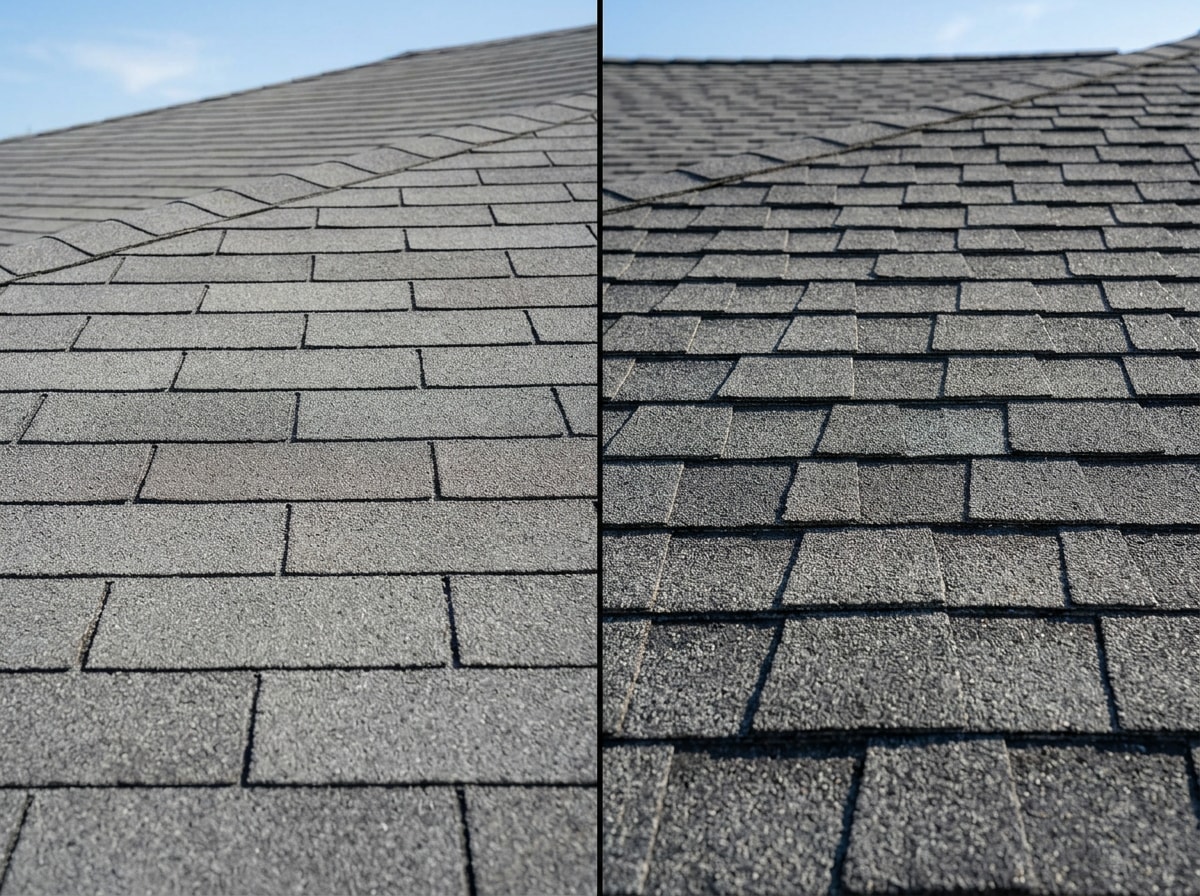
Asphalt shingles come in a few tiers, and the price gap between them matters.
- 3-tab shingles: roughly $4.50 to $6.50 per square foot installed, 15 to 25 years of life, wind ratings typically in the 60 to 90 mph range.
- Architectural shingles: about $6 to $9 per square foot installed, 20 to 30 years of life, wind ratings often 110 to 130 mph depending on the fastening pattern.
For most homeowners comparing the cheapest shingle roof Florida has to offer, 3-tab remains the lowest cost per square foot. But on a barrier island with a 140 mph design requirement, the modest upcharge for architectural shingles often isn't optional, it's the difference between a permit-ready roof and one that gets rejected.
Metal Roofing
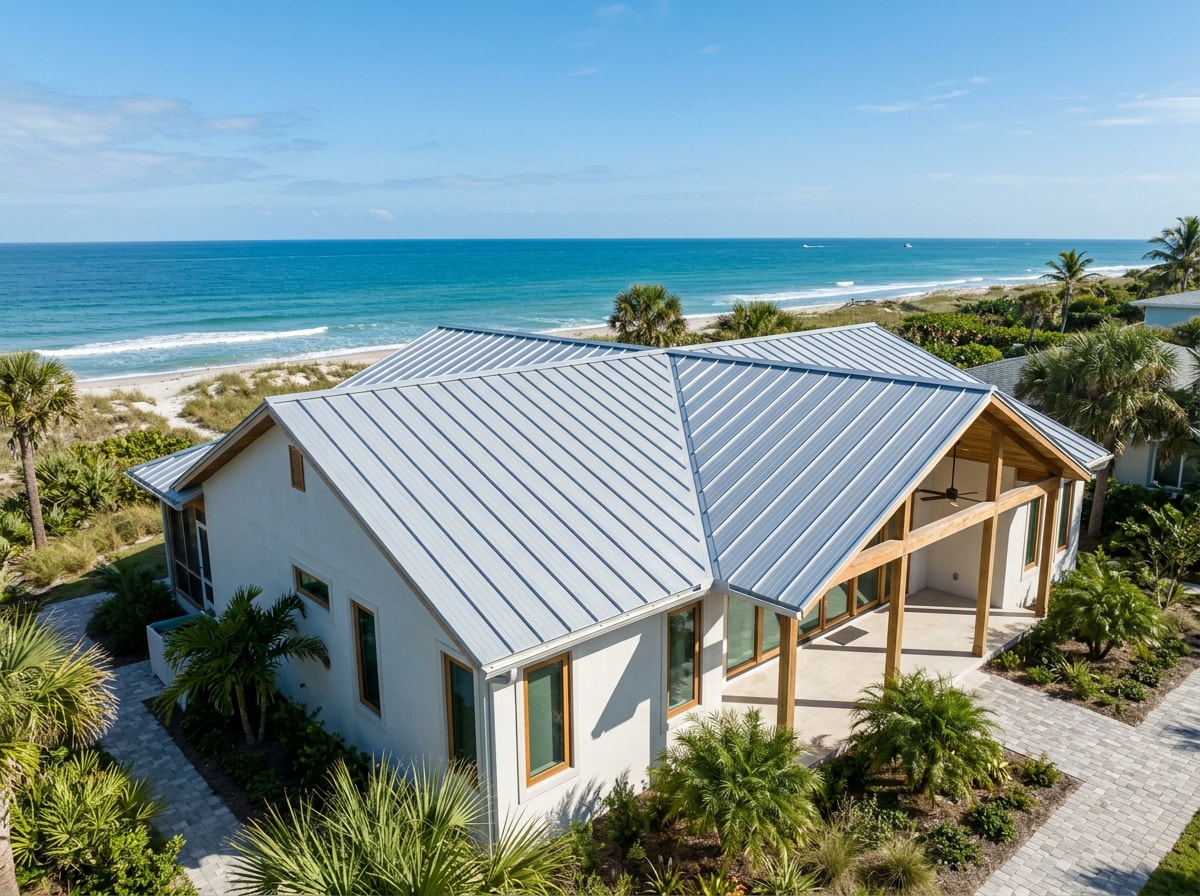
Metal roofing runs about $5 to $12 per square foot installed, depending on panel style and gauge, with 26-gauge standing seam panels running toward the higher end of that range. That's a noticeably higher upfront cost than asphalt, but metal roof lifespan, often 40 to 70 years, changes the math considerably.
Spread over time, a $9 per square foot standing seam roof lasting 50 years costs roughly $0.18 per square foot per year of service. A $5.50 per square foot 3-tab roof lasting 18 years costs about $0.31 per year. For a coastal Franklin County home facing salt air and wind, metal roofing can end up costing less annually than repeated asphalt replacements, even though the upfront bill is bigger. Metal roofs also reflect heat, which can lower cooling costs, since a cool roof can reduce air conditioning costs inside a building on a hot day according to ENERGY STAR.
Rolled Roofing
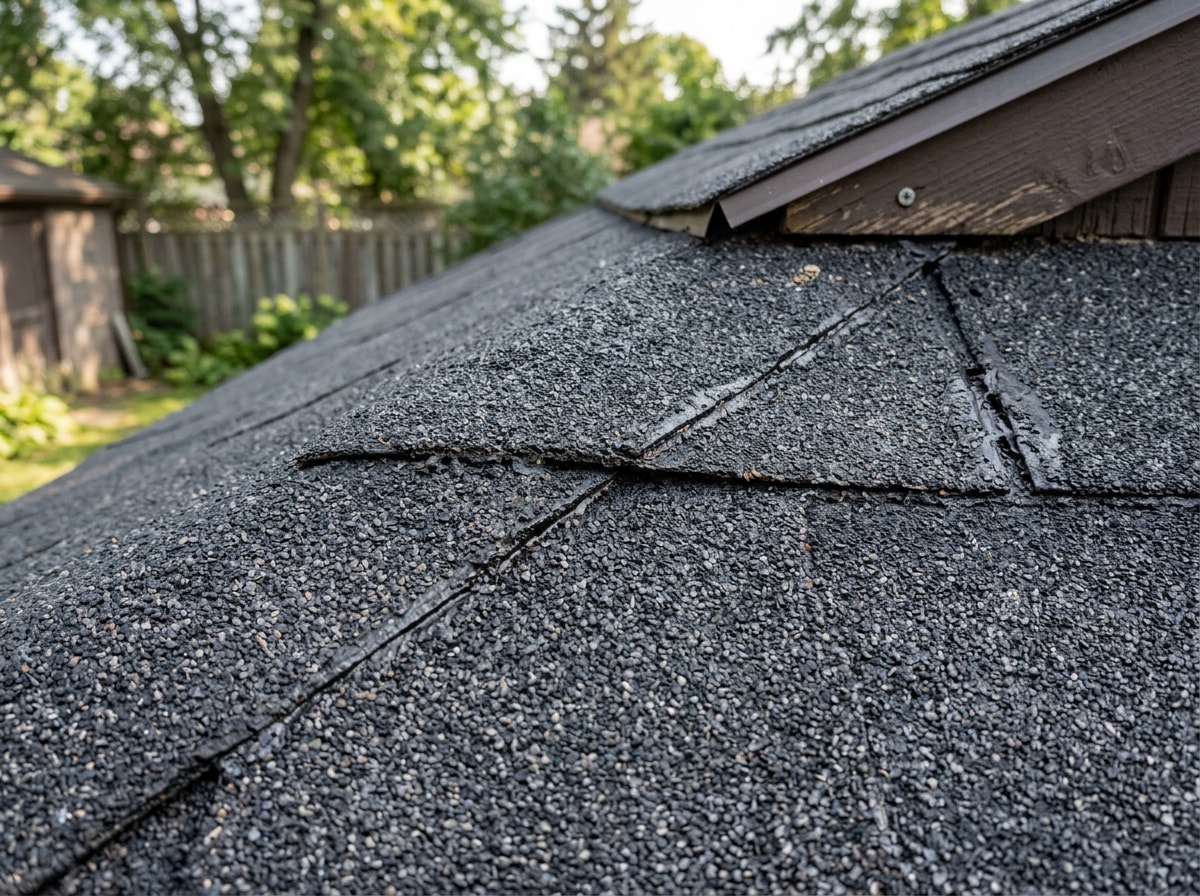
Rolled roofing costs around $1.50 to $2.50 per square foot including installation, making it one of the lowest-cost roofing materials available. It's manufactured in long rolls of asphalt-saturated material, which keeps labor time and waste to a minimum.
This is a niche product, though. It's really the cheapest roofing for shed or flat roof applications, not a primary option for a main house, and it has no realistic path to meeting either 130 mph or 140 mph wind requirements on a habitable structure. If you're weighing a low-slope or flat section of roof on a coastal property, TPO is a more durable comparison point. Our guide to TPO roofing in nearby Panama City walks through cost and warranty details that apply to flat sections here too.
Concrete Tile
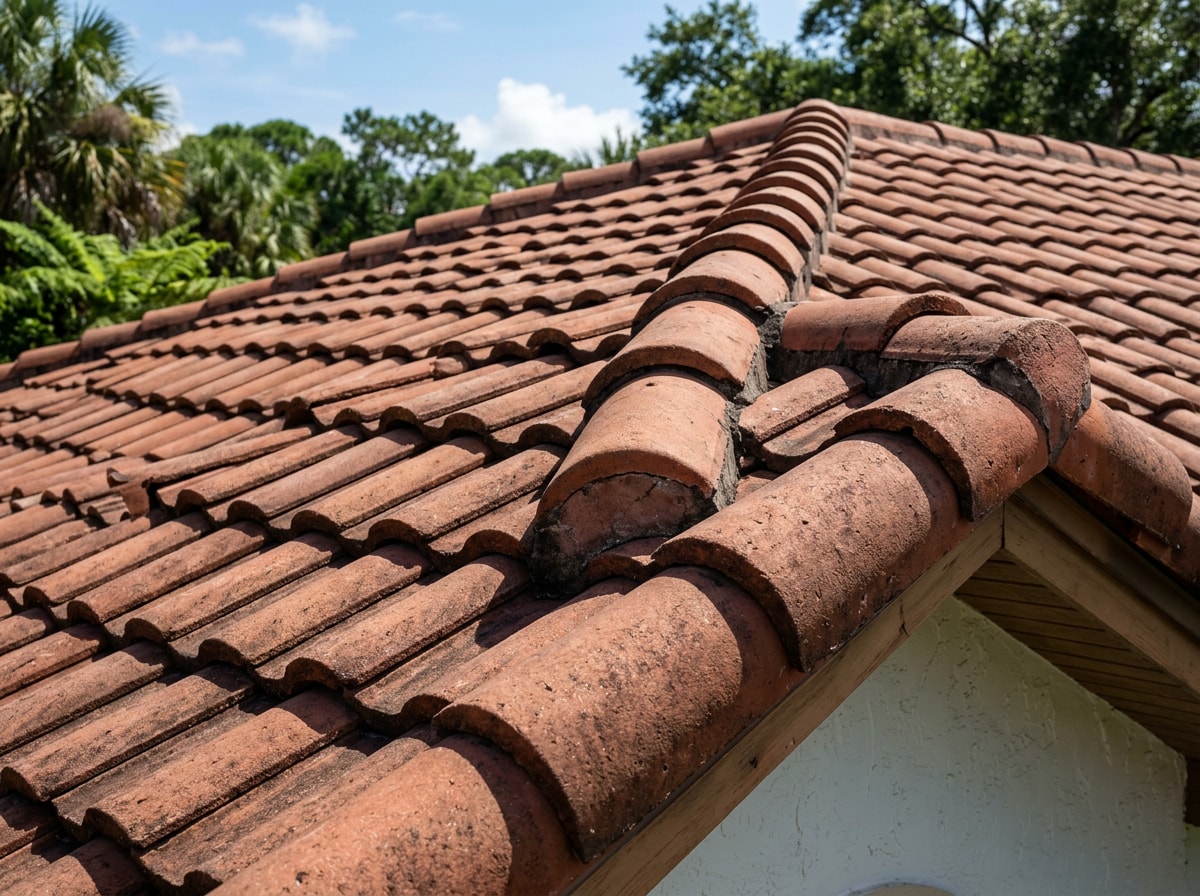
Concrete tile roofing typically falls between $8 and $15 per square foot, noticeably more than asphalt but with serious durability to show for it. Concrete tile can last 50 years or more and handles heat well, helping keep homes cooler through Florida's long summers.
Tile lifespan often exceeds every material on this list except metal, and its wind performance is strong when properly fastened, though the added roof weight means your home's structure needs to be rated to support it. That's a structural question worth running past a contractor before you commit, since retrofitting a roof deck for tile adds cost that doesn't show up in the per-square-foot number.
Wood Roof Shingles
Cedar shake and redwood shingles are naturally insulating and resist moss, insects, and water damage when properly treated, often lasting up to 30 years with routine maintenance. Wood shake costs more than basic asphalt but less than tile or standing seam metal in most markets.
For St. George Island's salt-air environment, cedar shingle lifespan tends to shrink faster than inland installations, and wood needs more frequent upkeep near open coastline. It's worth considering for a mainland property, but it's rarely the top pick for direct waterfront exposure.
3 Main Factors That Affect the Cost of a Roof Replacement
Roofing contractors consistently point to three variables when pricing a job:
- Material choice — the single biggest cost driver, and the one most affected by wind code.
- Total square footage of the roof, since most pricing is quoted per square foot.
- Installation complexity — a simple, single-story ranch roof costs far less to cover than a steep, multi-gabled roof of the same size, even with identical materials.
Material Choice
Entry-level 3-tab shingles start around $4.50 per square foot, while premium clay tile can run as high as $25 per square foot, roughly a five-fold difference that also changes expected lifespan and potential insurance credits. Product approval for any of these materials in a wind-borne debris region is governed by the Florida Building Commission's statewide approval system, which you can review directly through the Florida Building Commission.
These cost factors compound with your home's specific wind exposure, since coastal properties often need higher wind-rated materials regardless of budget. If you want a firm number before you choose, our team can walk through a construction estimate that accounts for your exact wind zone and roof shape.
Florida Roofing Material Comparison
Here's a side-by-side look at cost, lifespan, and wind rating for the most common options, with the understanding that St. George Island itself requires the 140 mph column at minimum.
| Material | Cost per Sq Ft | Lifespan | Wind Rating | Insurance Impact |
|---|---|---|---|---|
| 3-Tab Shingles | $4.50–$6.50 | 15–25 yrs | ~60–90 mph | Minimal credit |
| Architectural Shingles | $6–$9 | 20–30 yrs | ~110–130 mph | Moderate credit |
| Standing Seam Metal | $9–$14 | 40–70 yrs | ~140–180 mph | Significant credit |
| Metal Shingles | $7–$12 | 40–60 yrs | ~120–150 mph | Moderate-high credit |
| Concrete Tile | $8–$15 | 50+ yrs | ~125–160 mph | Moderate credit |
| Clay Tile | $15–$25 | 50+ yrs | ~125–160 mph | Moderate credit |
| TPO/Flat Roof | $4–$8 | 15–25 yrs | Varies by install | Variable |
These figures are general ranges and can shift based on roof pitch, deck condition, and permitting fees. Wind ratings assume proper installation meeting local code. Design wind speeds and load calculation methods are set out in Chapter 16 of the Florida Building Code, which requires wind loads on every building to be determined in accordance with ASCE 7 , viewable through the International Code Council's Florida code library.
Not sure which row applies to your address? A roof inspection will confirm your current material's condition and wind rating before you budget for a replacement.
Key Takeaways
Choosing a budget roof means weighing upfront cost against longevity, maintenance, and local wind code, there's rarely a single "best" answer everywhere in Franklin County. Asphalt shingles remain the cheapest and most popular choice nationally, but on St. George Island specifically, the 140 mph requirement and 26-gauge metal rule narrow the realistic field to architectural shingles, metal, or tile.
The right call depends on how long you plan to stay in the home, whether you're on the island or the mainland, and how much coastal wind exposure your property faces. Start with a roof replacement consultation to see which material fits your budget and your permit requirements, or visit our homepage to see the full range of roofing and construction services we offer across the Panhandle.
FAQ
Which roofing material is the cheapest?
3-tab asphalt shingles are the cheapest material upfront, typically $4.50 to $6.50 per square foot installed. They also have the shortest lifespan of the common options, so they can cost more over a 30 to 40 year ownership period than a pricier, longer-lasting roof.
What is the cheapest roofing material in Florida?
3-tab asphalt shingles are the most affordable statewide. For a coastal, hurricane-exposed address like St. George, FL, architectural shingles usually make more sense despite the higher cost, since they carry stronger wind ratings suited to the region's design wind speeds.
What is the average cost to replace a roof in Florida?
For a typical 2,000-square-foot home, architectural shingle replacement generally runs $11,000 to $18,000 installed, metal roofing runs $16,000 to $40,000, and tile runs $20,000 to $50,000. These ranges include tear-off, materials, labor, and permits, though exact pricing varies by contractor and roof complexity.
Is concrete tile or clay tile better for a Florida coastal home?
Both perform well in hurricane conditions when properly fastened. Concrete tile is less expensive, more widely available, and comes in more style and color options; clay tile costs more but holds color longer and is slightly more resistant to fading in direct salt air.
What roofing material is required on St. George Island specifically?
St. George Island requires a 140 mph wind load design , which rules out standard 3-tab shingles for new construction and substantial re-roofs. Architectural shingles, metal panels of at least 26-gauge, or wind-rated tile are the realistic starting points.
Does a cheaper roof cost more in insurance premiums long-term?
It can. Wind-resistant materials and features documented on Florida's wind mitigation inspection form can lower the windstorm portion of a homeowner's premium, while a bare-minimum 3-tab roof typically earns little to no credit. A wind mitigation report will show you exactly where your current roof stands.
Ready to find out what your cheapest code-compliant option actually costs? Get a free estimate from a local crew that already knows Franklin County's wind rules, or browse our roof repair pricing guide for Tallahassee if repairs make more sense than a full replacement right now.