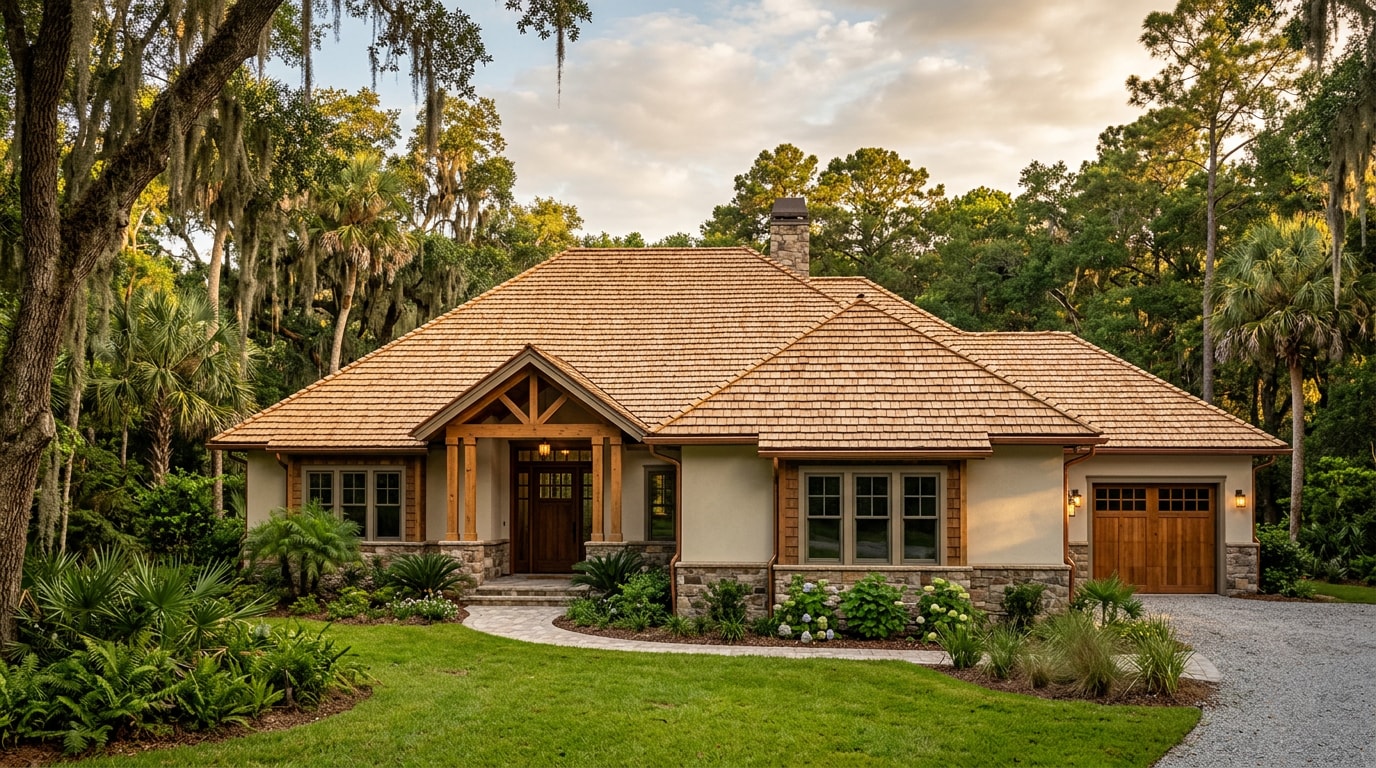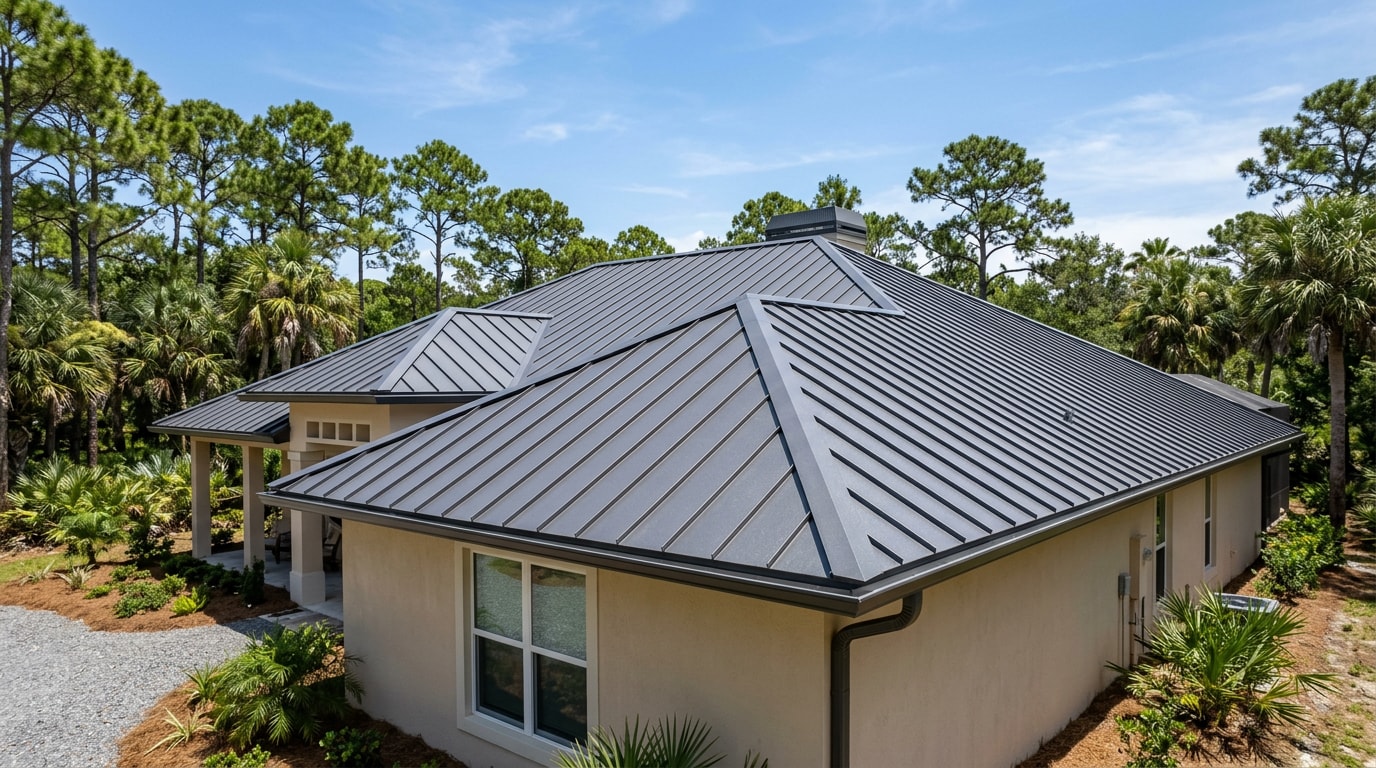
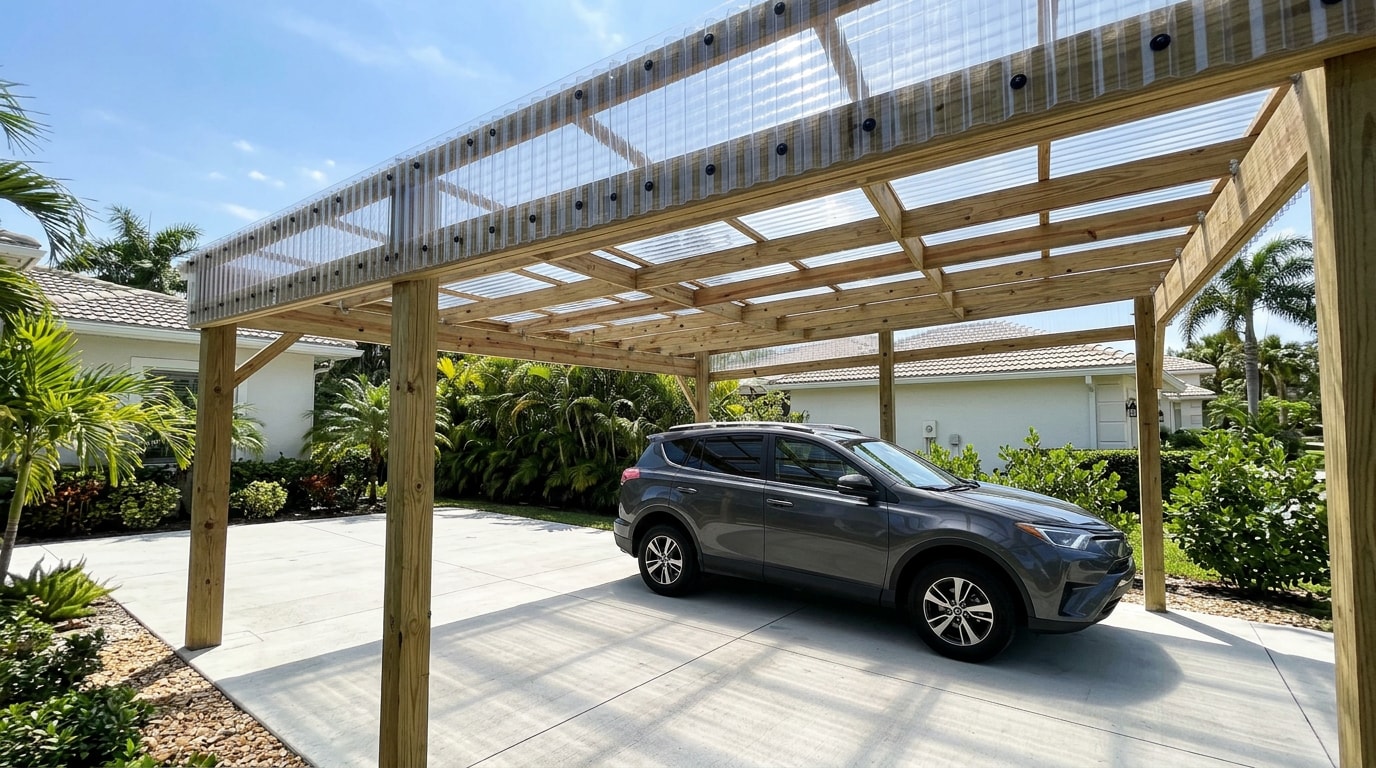
Corrugated plastic roofing in Gainesville, FL is a practical, lower-cost option for patio covers, carports, sheds, and other accessory structures. It is not a one-size-fits-all material though: the right panel depends on slope, budget, and how much sun or storm exposure the structure will see. This guide from Alpha One Roofing walks through materials, sizes, installation, and 2026 pricing so you can buy with confidence.
Roofing Materials Gainesville, FL: Why Corrugated Plastic Panels Are Worth Considering
Corrugated plastic panels are typically made from HDPE, PVC, or polycarbonate. Each handles Alachua County's heat, humidity, and summer thunderstorms a little differently.
This isn't a substitute for whole-house roofing. Shingles, metal, and TPO remain the standard for primary roof decks across Gainesville. Corrugated plastic shines on secondary structures where natural light and low weight matter more than long-term structural load-bearing.
If you're also weighing options for your main roof, our roofing contractor services cover how corrugated plastic stacks up against other common Alachua County roofing choices.
Polycarbonate vs. PVC Corrugated Panels
Single-wall polycarbonate panels run thinner and cost less, while multiwall versions trade some light transmission for better insulation and impact resistance. PVC corrugated panels sit at a lower price point and work well as a translucent cover where impact resistance matters less than budget.
For a sun-heavy carport, polycarbonate's UV resistance tends to win out. For a low-traffic shed roof or utility cover, PVC often does the job at a fraction of the cost. The manufacturer's own SUNTUF corrugated polycarbonate installation guide is worth checking before you buy. It spells out impact-resistance ratings, fastener specs, and slope limits by panel type.
How Corrugated Plastic Compares to Other Gainesville Roofing Materials
5-V crimp and corrugated metal panels give rural Florida properties a familiar look at a lower price point than standing seam metal. Corrugated plastic occupies a different niche entirely. It's translucent, lighter, and almost never used as a structural, primary roof the way metal or asphalt shingles are.
Where corrugated metal panels handle wind-driven rain and long-term structural loads on barns and outbuildings, plastic panels are better suited to letting light through on a carport or greenhouse-style structure. Asphalt shingles Gainesville homeowners install on houses aren't a fair comparison at all; shingles are built for steep-slope primary roofs, not accessory structures.
Low-slope roofing systems like TPO and modified bitumen, common on Gainesville commercial buildings, also serve a different purpose. They're built for flat or near-flat commercial decks, not small residential outbuildings. If you're deciding between metal roofing and plastic roofing for a shed or carport, the honest answer usually comes down to whether you want natural light (plastic) or maximum durability and resale value (metal).
For a deeper look at a durable metal alternative, see our roof installation process if longevity matters more than translucency for your project.
Cost and Lifespan Breakdown for Alachua County Properties
Pricing for corrugated plastic roofing in the Gainesville area generally falls between asphalt shingle and metal roofing costs, though exact numbers shift with panel thickness and project size.
| Material | Install Cost (per sq ft) | Expected Lifespan (FL climate) | Maintenance Frequency |
|---|---|---|---|
| PVC corrugated | $2-$4 | 8-12 years | Annual |
| Polycarbonate corrugated | $3-$7 | 10-20 years | Annual |
| Corrugated metal panels | $4-$9 | 25-40 years | Every 1-2 years |
| Asphalt shingles | $4-$7 | 15-25 years | Every 1-2 years |
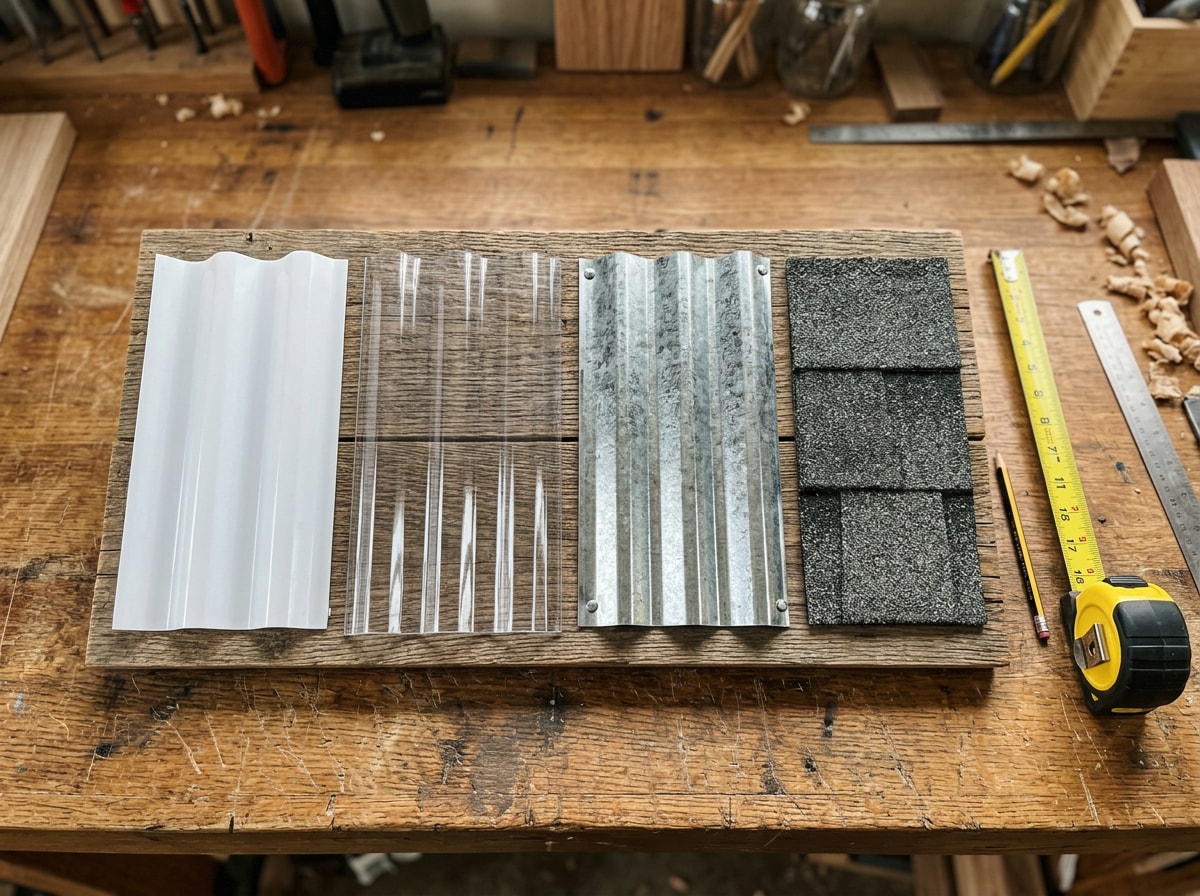
These figures reflect typical material and labor ranges industry-wide; actual Alachua County roofing cost will vary by installer, panel brand, and structure size. Accessory structures like carports and sheds may also require a permit depending on size and location. Generally yes, all accessory structures require a building permit in unincorporated Alachua County, so check with the Alachua County Building Department before starting work.
Want a number specific to your structure? Get a Free Estimate and we'll walk the dimensions with you before you commit to a panel brand.
Corrugated Roof Panel Sizes and Dimensions
Standard corrugated plastic panels commonly run 26 to 36 inches wide and 6 to 12 feet long, but a 36-inch panel typically only covers 32 to 34 inches once adjacent sheets overlap at the ribs. Ordering by nominal width instead of actual coverage width is the single most common mistake buyers make.
This matters for any Gainesville project because under-ordering panels by even a few inches of coverage can leave gaps along a roofline. Always measure your structure's total width, then divide by the coverage width (not the overall panel width) to get an accurate panel count.
| Panel Width (Nominal) | Coverage Width | Common Lengths |
|---|---|---|
| 26 in | 24-25 in | 6-8 ft |
| 30 in | 26-28 in | 8-10 ft |
| 36 in | 32-34 in | 8-12 ft |
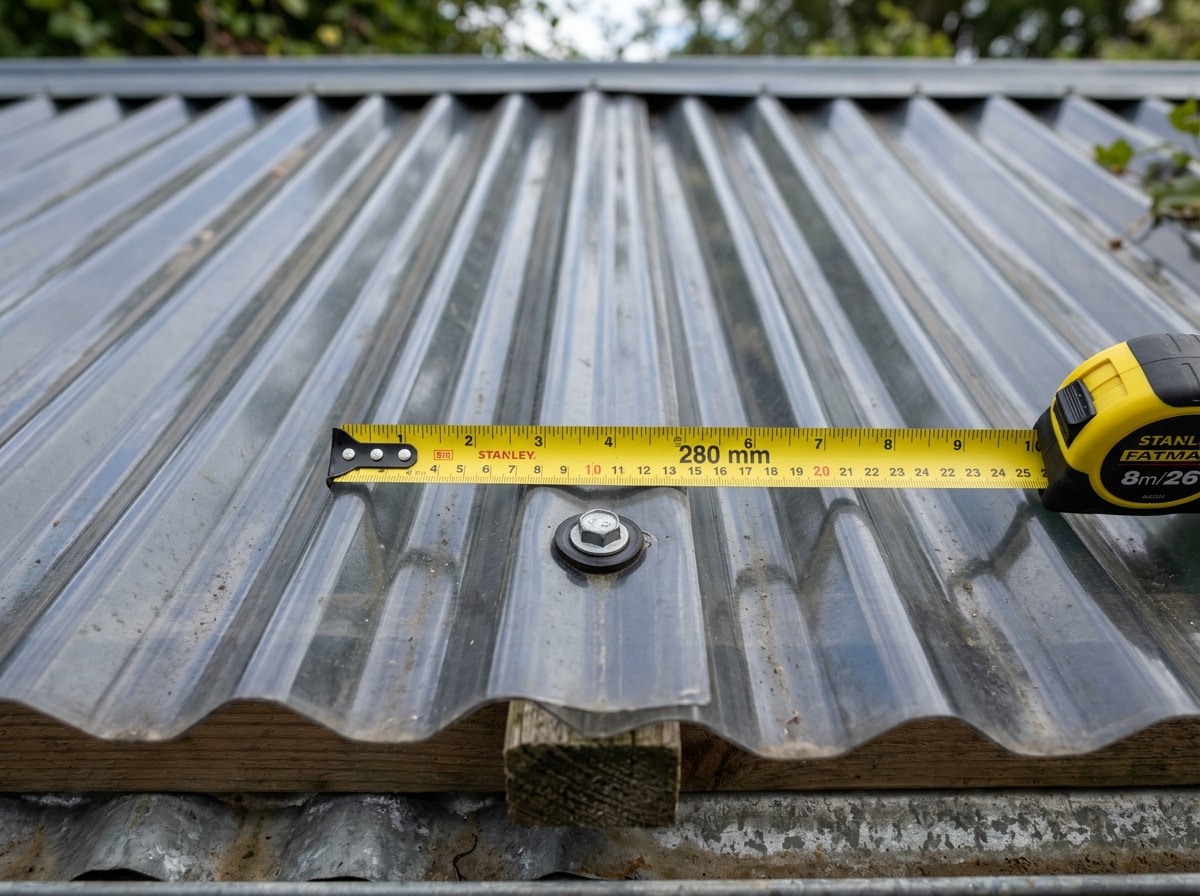
Panel overlap also affects fastener placement and water-shedding performance, which we'll cover in the installation section below.
Choosing the Right Materials, Hardware, and Tools
Picking panels is only half the job. The right fasteners and tools determine whether the roof actually performs.
- HDPE panels suit budget-friendly projects with light foot traffic.
- Polycarbonate holds up better in hail-prone or high-impact areas.
- Rib spacing, UV-stabilized coatings, and tint level all affect cost and light transmission.
Buy fasteners designed specifically for plastic panels. They include rubber or neoprene washers that seal the fastener hole without cracking the sheet. Standard roofing screws without those washers tend to leak within a season or two.
A basic roofing tools checklist for this kind of project includes:
- Power drill with a driver bit
- Circular saw or heavy-duty utility knife for cuts
- Tin snips for bending or trimming edges
- Measuring tape and a straight edge
- Chalk line for marking layout
- Broom for debris clearing
- Sturdy ladder rated for the job
If you'd rather get a materials and labor number before you shop, our construction estimates service can help you compare panel brands and fastener kits before you start.
Planning the Layout and Measuring Your Roof
Before any panel goes up, confirm your roof's pitch, overhang dimensions, and support spacing. These three numbers drive everything else, including how many panels you'll need and where fasteners land.
Create a detailed cut list and dry-fit plan on the ground first. Laying panels out and marking cut lines before anything is permanently attached catches measurement errors early and cuts down on wasted material.
Corrugated panels need a minimum slope for proper drainage, covered in detail in the Water Management section below since it affects both layout and long-term performance. Measuring accurately at this stage, rather than after installation begins, saves the most time and material overall.
Step-by-Step Installation
Once your layout and cut list are ready, installation generally follows six steps:
- Prepare the substructure. Confirm framing or purlins are level, spaced correctly for your panel's span rating, and free of rot.
- Install support rails or underlayment where required, especially over existing decking.
- Position the first panel at a corner, keeping it square to the structure's edge.
- Fasten panels through the top of the rib, not the valley, using washered screws spaced per manufacturer guidance.
- Overlap each subsequent panel by at least one full corrugation, more on the windward side.
- Trim and finish edges, then inspect for uniform alignment, missing fasteners, and proper flashing at eaves and valleys.
A mistake specific to this area deserves its own callout. Gainesville's summer thunderstorms bring wind-driven rain that approaches from shifting directions, not just straight down. In our own inspections across Alachua County carports and sheds, the most common failure point is a bare-minimum overlap that worked fine in a calmer climate but leaks here. Adding an extra inch or two of overlap on panels facing prevailing summer wind directions is a small adjustment that prevents a recurring leak issue.
Fastening corrugated panels correctly also means never overtightening. A crushed washer seal leaks just as badly as a missing one.
If you'd rather have a licensed crew handle fastening and flashing details, see our roof installation services.
Water Management and Drainage
Corrugated panels channel water along their ribs toward the low side of the roof, but improper slope or blocked drainage paths can cause ponding and leaks. Flat or low-slope designs need added overhangs, gutters, or fascia channels to move water away from the structure instead of letting it collect.
Minimum slope requirements vary by panel type and manufacturer. The minimum recommended slope for Suntuf is 1-1/2" in 12. When installed at a lower pitch, additional sealing should be applied to ensure weather resistance. General low-slope drainage requirements under the Florida Building Code are also worth a check before you finalize your layout. Ponding water isn't just a leak risk. It accelerates UV breakdown on plastic panels by keeping them wet and sun-exposed for longer stretches.
Maintenance and Longevity
Routine maintenance extends panel life more than any single material choice does. Plan on an annual inspection for cracks, loose fasteners, and worn seals around flashing points. Our roof inspection service covers accessory structures too, not just the main house.
Clean panels with mild soap and water. Avoid abrasive cleaners or stiff brushes, since they can dull the surface and reduce light transmission over time, a particular concern with polycarbonate panels marketed for clarity.
UV degradation is the main long-term threat to rigid corrugated plastic in Florida's climate, even on UV-stabilized panels. Research from Virginia Tech's Cooperative Extension on rigid corrugated glazing panels found that FRP is highly susceptible to UV degradation, though newer panels treated with a UV inhibitor can last 10 years or longer compared to just 2 to 3 years for untreated panels , which is a useful reference point for how much UV stabilizers matter on any rigid plastic roofing panel. For a full seasonal walkthrough of what to check and when, our Roofing Inspection Checklist for Gainesville, FL Homeowners covers the main roof alongside accessory structures.
FAQ
How Long Does Corrugated Plastic Roofing Last?
Corrugated plastic roofing typically lasts 8 to 20 years depending on material. PVC panels last roughly 8-12 years, while polycarbonate panels can reach 15-20 years with proper installation. Florida's intense UV exposure tends to shorten these ranges compared to cooler, less sunny climates. Polypropylene variants fall somewhere in between, generally lasting 10-15 years with regular maintenance.
What Is the Minimum Slope Required for a Corrugated Plastic Roof?
Manufacturer specs vary, but a common benchmark is Suntuf's own installation guide, which sets a 1-1/2 inch per 12 inch minimum slope for its polycarbonate panels, with extra sealant required below that pitch. Steeper pitches shed water faster and reduce ponding risk. Always confirm the exact figure for your chosen brand since it varies by panel thickness and rib depth.
How Much Does Corrugated Plastic Roofing Cost?
Expect roughly $2 to $4 per square foot installed for PVC corrugated panels and $3 to $7 per square foot for polycarbonate, before permit fees. Thicker, UV-stabilized panels and multiwall polycarbonate sit at the top of that range.
Is Corrugated Plastic Cheaper Than Metal Roofing?
Upfront, yes. Corrugated plastic typically costs less per square foot than corrugated metal panels. Over a 25 to 40 year span, though, metal's longer lifespan often means a lower total cost of ownership, which is why plastic tends to win on accessory structures and metal wins on anything meant to last decades.
Can I Install Corrugated Plastic Roofing Myself?
Yes, many homeowners install corrugated plastic roofing themselves on small structures like sheds or carports using basic tools and a weekend of work. The job gets harder on larger spans, steep pitches, or anything requiring permits and code compliance. If your project involves a permit, complex flashing, or a structure attached to your home, contact a Gainesville roofing contractor for a proper assessment first.
Can You Install Corrugated Plastic Roofing Over Existing Shingles?
Generally, no. Corrugated plastic panels need solid, level support framing rather than a direct overlay on existing shingles. Shingle surfaces are uneven and often hold moisture, which can trap water against the plastic panel and accelerate both materials' deterioration. A contractor can assess whether your existing substrate needs to be removed or reframed first.
---
This guide is maintained by the team at Alpha One Roofing, a licensed general contractor and roofing company serving Tallahassee, the Florida Panhandle, and Gainesville, FL. We install and inspect corrugated plastic, metal, and shingle roofing on homes and accessory structures throughout the region. See our completed project gallery or get in touch with questions about your specific structure.