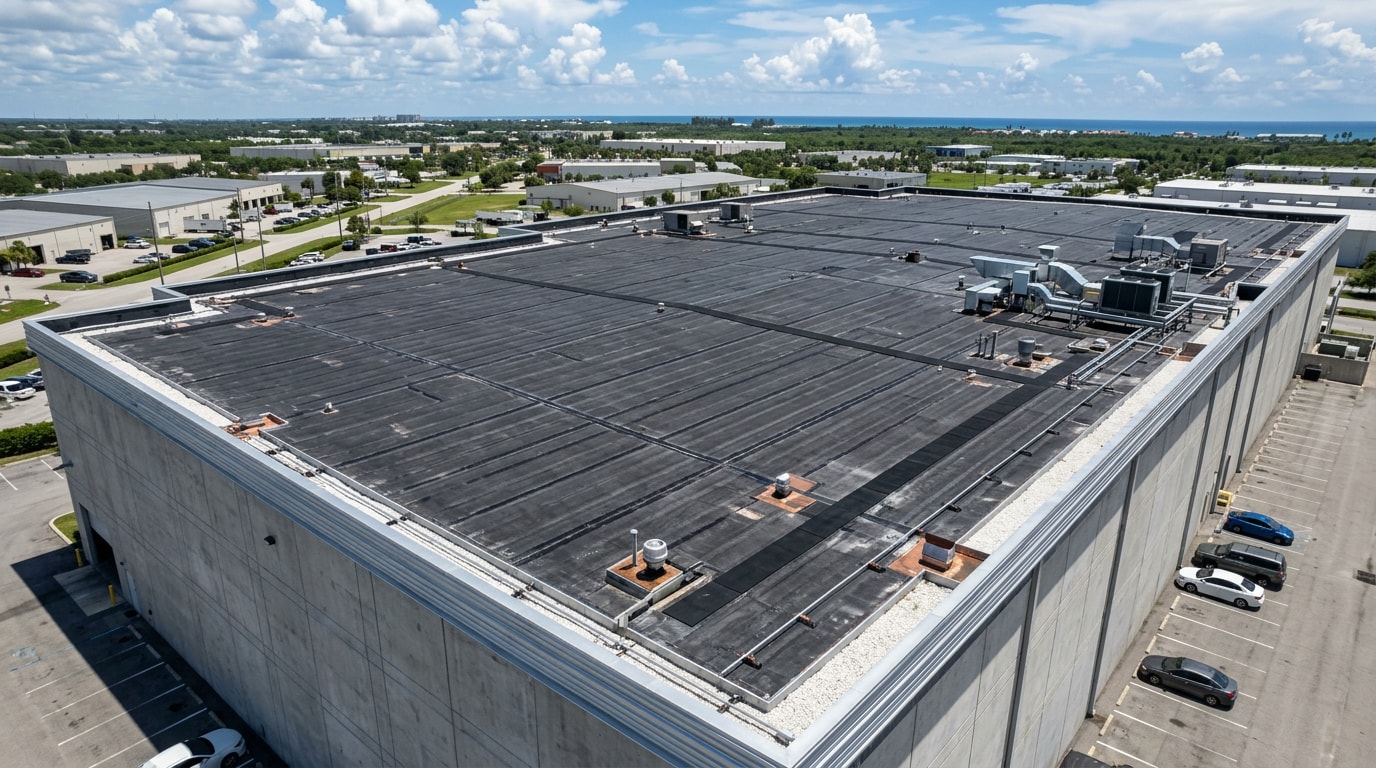
EPDM roofing on the Florida Panhandle has to survive a different kind of abuse than it does almost anywhere else in the country. Salt air, triple-digit summer heat, and a six-month hurricane season all hit the same black rubber membrane. This guide breaks down real 2026 costs, how EPDM stacks up against TPO, and what actually fails first on Gulf Coast low-slope roofs.
What Is EPDM Roofing?
EPDM stands for ethylene propylene diene monomer, a synthetic rubber membrane used on flat and low-slope roofs since the 1960s.
It comes in black or white and is manufactured in three standard thicknesses.
Choices include black or white EPDM, and assembly methods include ballasted, fully adhered, or mechanically fastened systems. The attachment method you pick affects wind performance almost as much as the membrane itself.
Most Panhandle commercial buildings run 60-mil EPDM, which balances puncture resistance against material cost for a typical warehouse, strip center, or church roof.
Why the Florida Panhandle Climate Changes the EPDM Equation
A flat black roof in Escambia, Bay, or Leon County does not age like one in Ohio or Pennsylvania. Heat, UV, and salt all compound here.
2026 made that obvious. The National Weather Service recorded two distinct, long-duration heat waves across the Florida Panhandle and Big Bend in July and August, with 26 total Heat Advisories and 5 Extreme Heat Warnings issued, and Tallahassee's first 100° day since September 2, 2024. Every one of those degree-days works against an uncoated black membrane.
Add near-constant salt air corrosion on fasteners and edge metal within a few miles of the coast, plus wind-driven rain during hurricane season, and you get a roof environment that rewards good installation detail far more than it rewards a cheap bid.
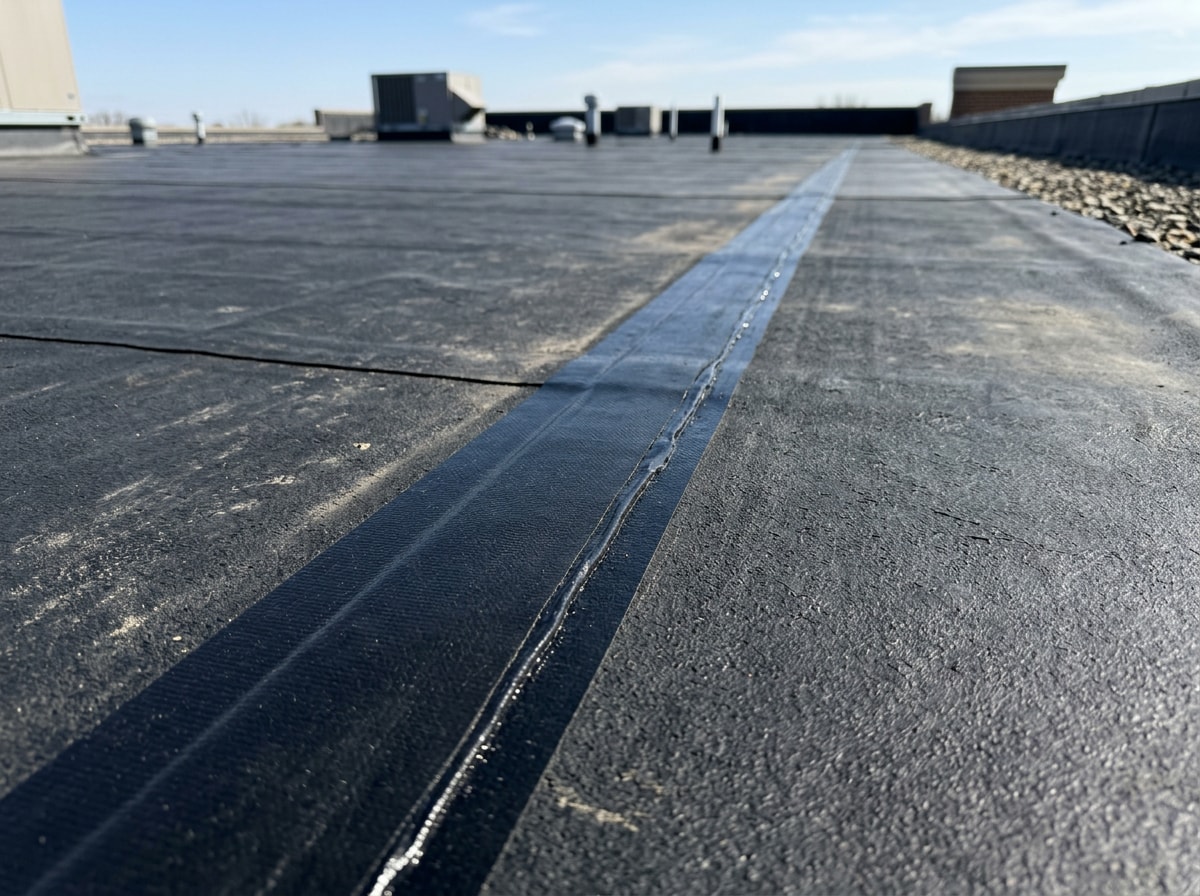
In our own fieldwork across Tallahassee, Panama City, and the Big Bend, the EPDM roofs that fail early almost always have the same two problems: skipped primer at the seams, and edge metal that was never properly fastened for uplift. The membrane itself is rarely the weak link.
EPDM Roofing Cost in the Florida Panhandle, FL (2026)
Installed EPDM pricing depends on three things: membrane thickness, attachment method, and whether the job is a tear-off or a recover over an existing dry deck.
| Membrane & Attachment | Typical Installed Cost (2026) | Best Fit |
|---|---|---|
| 45-mil, mechanically fastened | $5.00 – $7.00 / sq ft | Budget recover projects |
| 60-mil, mechanically fastened | $6.00 – $8.50 / sq ft | Standard commercial reroof |
| 60-mil, fully adhered | $7.00 – $9.50 / sq ft | High-wind zones, better uplift rating |
| 90-mil, fully adhered | $8.50 – $12.00 / sq ft | Long-term ownership, max puncture resistance |
Tear-off and disposal, tapered insulation for drainage, and new drains or scuppers all add to the total beyond the membrane line item. A 1,500 square foot flat roof section with insulation typically lands in the $12,000 to $20,000 range once tear-off and code-required insulation are included.
If you need numbers for a specific building, request a free estimate or start with a formal construction estimate so insurance and budgeting are based on real measurements, not a rule of thumb.
EPDM vs. TPO: Which Flat Roof System Fits Your Panhandle Building?
This is the comparison most property owners actually need before signing a reroof contract.
| Factor | EPDM | TPO |
|---|---|---|
| Material | Synthetic rubber, black or white | Reflective thermoplastic, usually white |
| Seams | Adhesive-taped | Heat-welded |
| Flexibility | Excellent in heat and cold cycling | Stiffer over time |
| Solar reflectance | Low (black), moderate (white) | High |
| Ponding water tolerance | Strong | Good, but seams are the risk point |
| Typical installed cost | Slightly lower | Comparable to slightly higher |
EPDM's rubber composition keeps flexing with a building's expansion and contraction for decades. TPO's heat-welded seams generally resist wind and foot traffic better than taped seams, which matters on roofs with rooftop HVAC service traffic.
Here's the contrarian part most guides skip: EPDM is marketed as the cheaper option, but on the Panhandle that gap often shrinks once you factor in cooling costs. The EPA provides cool roof product efficiency levels and specification information through the ENERGY STAR program, and manufacturers meeting those requirements can display the ENERGY STAR label on qualifying products. A white reflective membrane can meaningfully cut summer cooling loads on an uninsulated metal deck building, which is common across older Panhandle warehouses and strip centers.
We cover the reflective side of this decision in more depth in our TPO installation and cost guide for Panama City, including warranty terms specific to Gulf Coast installs.
How a Commercial EPDM Reroof Happens
A typical Panhandle EPDM project runs through the same sequence regardless of building size.
- Roof assessment – deck condition, existing insulation, drainage, and current membrane thickness get documented during a roof inspection.
- System selection – membrane thickness and attachment method (adhered, mechanical, or ballasted) are chosen based on wind exposure and budget.
- Tear-off or recover – if the existing deck is dry and sound, a recover saves cost; if not, a full roof replacement is the safer long-term call.
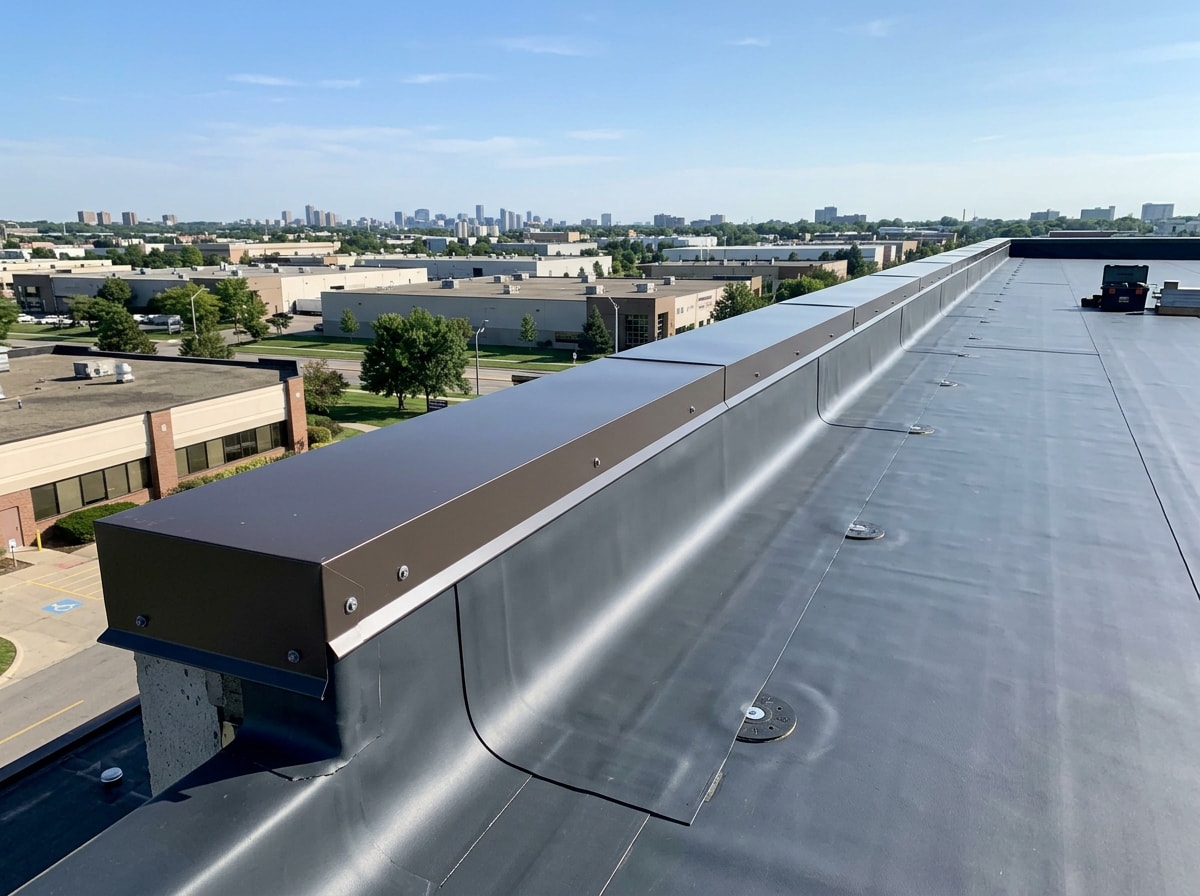
- Edge metal and terminations – this is where most coastal failures originate, and it has to meet wind-uplift design criteria.
The Florida Building Code mandates wind speed design per ASCE 7, the national standard for minimum design loads on buildings and structures.
- Final inspection and documentation – photos and warranty paperwork, useful later for insurance and resale.
A licensed roofing contractor should walk through each of these decisions with you before a crew shows up, not after.
Signs Your EPDM Roof Needs Repair, Not Replacement
Not every problem means a full reroof. Watch for these:
- Seam lifting or adhesive failure along tape joints, usually repairable
- Membrane shrinkage pulling away from curbs, walls, or penetrations
- Surface cracking or alligatoring from UV exposure, often a coating candidate
- Blistering or bubbling from trapped moisture under the membrane
- Standing water past 48 hours, which points to a drainage problem, not necessarily a membrane problem
A recoating can restore flexibility and UV resistance at a fraction of replacement cost when the membrane underneath is still sound. If damage is storm-related, get a storm damage assessment before filing a claim. For anything beyond a patch, start with a roof repair quote rather than guessing.
Maintenance That Extends EPDM Life on the Gulf Coast
Basic upkeep makes a measurable difference in how long an EPDM roof lasts here:
- Inspect seams and flashing twice a year, ideally before and after hurricane season
- Clear drains and scuppers of debris before named storms arrive
- Recoat every 8 to 10 years on black membranes to slow UV degradation
- Keep HVAC service traffic on walk pads, not bare membrane
A wind mitigation report can also document roof-to-deck attachment for insurance discounts, which matters more on the coast than inland.
EPDM Roofing Across the Florida Panhandle
We install and repair EPDM systems from Pensacola to the Big Bend, including Panama City, Tallahassee, Crawfordville, Monticello, St. Marks, St. George, and Gainesville. See our full Florida Panhandle service area for coverage details, or visit the Alpha One Roofing homepage for the full list of roofing and construction services.
Ready to compare real numbers for your building? Get a free estimate and we'll walk the roof before recommending a system.
FAQ
How long does EPDM roofing last in Florida?
Most manufacturers warranty EPDM for 20 to 30 years. On the Panhandle, intense UV exposure and heat cycling tend to push uncoated black membranes toward the lower end of that range, which is why periodic recoating matters more here than inland.
How much does EPDM roofing cost in the Florida Panhandle?
Installed EPDM typically runs $5 to $12 per square foot in 2026, depending on membrane thickness, attachment method, and whether the job is a tear-off or recover. Insulation and drainage work add to the total.
Is EPDM or TPO better for Florida heat and hurricanes?
Both can perform well when installed correctly. EPDM flexes better through thermal cycling; TPO's heat-welded seams and reflective surface handle direct sun and seam stress slightly better. The right choice depends on your building's insulation, HVAC traffic, and budget.
Can an aging EPDM roof be repaired instead of replaced?
Often, yes. Seam lifting, minor shrinkage, and surface cracking are usually repairable with patching or a full recoat if the membrane underneath is still sound. Widespread blistering or multiple leak points usually point toward replacement.
Does EPDM roofing meet Florida Building Code wind requirements?
Yes, when the attachment method and edge metal are specified correctly for the building's wind zone. Wind speed design is governed by ASCE 7 under the Florida Building Code , and coastal areas carry stricter requirements than inland zones.
What maintenance does an EPDM roof need?
Seam and flashing inspections twice a year, cleared drains before storm season, and recoating roughly every 8 to 10 years on black membranes. Skipping drainage maintenance is the most common cause of early failure we see in the field.