Roofing warranties explained simply: a new roof in Crawfordville, FL comes with two separate promises, not one blanket guarantee, and most homeowners only discover the difference after a leak forces a claim. One warranty backs the materials. The other backs the installation, and in Wakulla County's wind and humidity, the installation side is usually the one that matters more.
What Is a Roofing Warranty?
A roofing warranty is a written promise that covers defects or failures in your roof for a set period of time, but it's rarely a single document. Every properly installed roof actually carries two separate warranties: a manufacturer warranty on the materials and a workmanship warranty on the installation.
You need both to be strong, not just one.
The "lifetime warranty" phrase you see in advertising usually refers only to the material side. It says nothing about how the roof was installed. Most roof failures trace back to installation mistakes and weather exposure rather than defective shingles or panels, which is exactly why both halves of a roof replacement deserve equal attention before you sign a contract.
What Does a Manufacturer Warranty Cover in Florida?
A manufacturer warranty covers material defects in the products themselves, including shingles, metal panels, underlayment, ridge caps, and ventilation components that fail due to a flaw in how they were made. It does not cover damage caused by poor installation, severe weather, or lack of maintenance, a distinction many homeowners miss when they first hear the word "warranty."
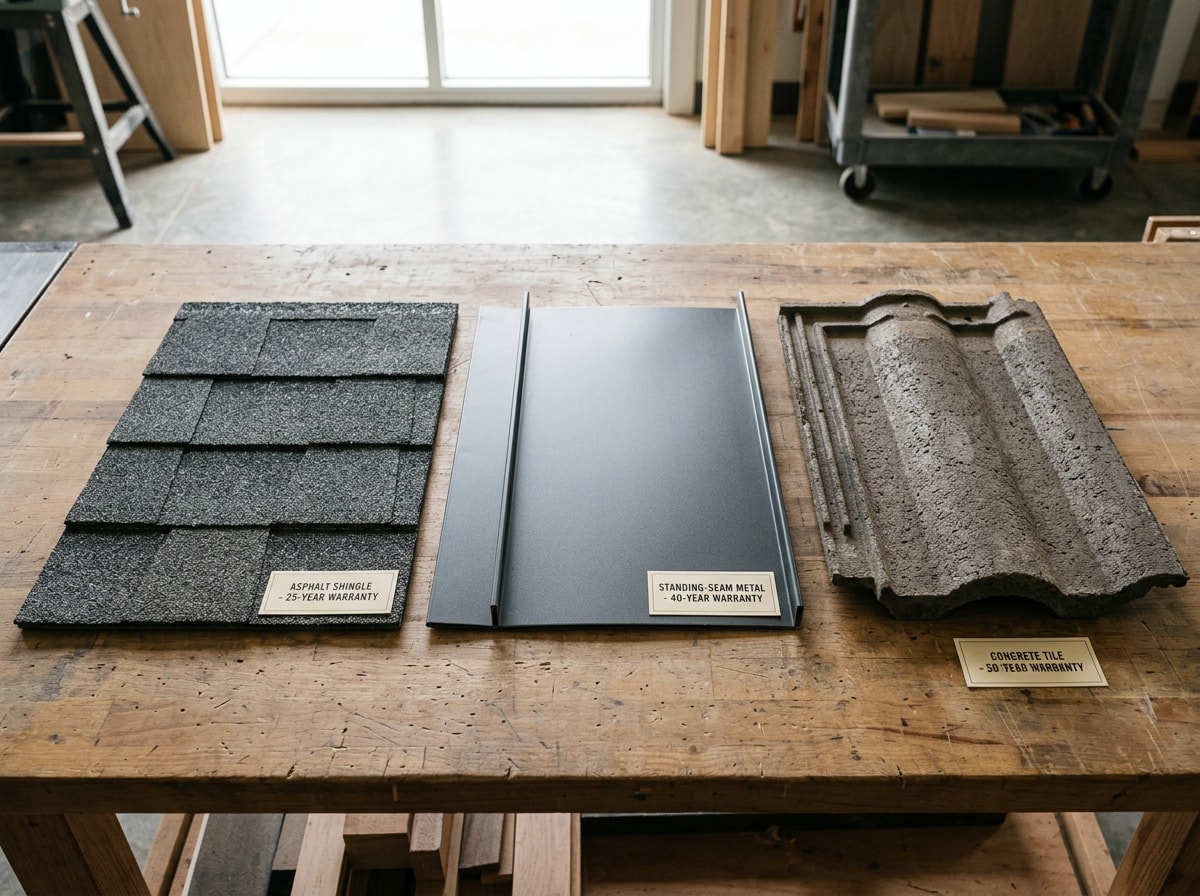
Coverage length and payout structure vary by material. Asphalt shingles, metal roofing, and tile systems each carry different manufacturer rules, so the warranty on a metal roof won't match the one that comes with a standard shingle roof.
Most standard manufacturer warranties are non-prorated for an initial period, often the first 10 to 15 years, meaning the manufacturer covers full replacement cost during that window. After that window closes, coverage typically shifts to a prorated schedule.
Many manufacturers also offer enhanced or system-level coverage that extends non-prorated protection further, but only when every component in the roofing system comes from the same manufacturer and is installed by a certified installer. Standard tiers, by contrast, only require the base material itself to be used.
Common Exclusions (Not Covered)
A manufacturer warranty will not pay for:
- Damage caused by improper installation
- Storm or hurricane wind and impact damage
- Poor or inadequate attic ventilation
- Normal wear, algae staining, or lack of routine maintenance
These exclusions account for the majority of denied manufacturer claims we see on inspections across the Panhandle.
Proration is the other piece people overlook. Many warranties become prorated over time, meaning the manufacturer may only cover a percentage of replacement costs later in the roof's life rather than the full amount. A 20-year-old shingle warranty might only reimburse a fraction of today's material cost, not what you originally paid.
What Does a Roofing Workmanship Warranty Cover?
A workmanship warranty covers mistakes made during installation, things like improper nailing patterns, flashing errors around chimneys and skylights, and leaks that develop around roof penetrations. This warranty is issued by your contractor, not the material manufacturer, and it's a completely separate document from the one that came with your shingles.
This distinction matters more in Florida than almost anywhere else in the country. A homeowner with a flawless 30-year shingle warranty can still face thousands in leak repairs if the installation itself was sloppy, since the shingle manufacturer has no obligation to pay for an installer's mistake.
How Long Is a Roof Workmanship Warranty?
Most roof workmanship warranties last between 1 and 10 years, depending on the contractor offering them. The National Roofing Contractors Association notes there is no single industry standard, but its own membership survey puts the typical term closer to just one to two years, which makes a longer workmanship term a meaningful differentiator when you're comparing bids.
Who Stands Behind a Workmanship Warranty?
A contractor-only roofing warranty ends if the company closes, which is a real risk in a trade with high business turnover. If your installer goes out of business, that workmanship promise generally becomes unenforceable no matter how many years were left on paper.
On our own inspections of older Wakulla County roofs, we routinely find manufacturer claims denied because the ridge or soffit ventilation was never installed to spec in the first place, a mistake the homeowner had no way of spotting until the attic insulation showed moisture staining. That kind of error falls on workmanship, not materials.
Some enhanced manufacturer programs solve the closure risk by backing workmanship coverage directly, so the protection survives even if the original installer closes shop. That's one reason the comparison below matters before you choose a contractor.
Not sure which warranty tier your current roof qualifies for? Get a free estimate and we'll walk through your options before you sign anything.
Manufacturer vs. Workmanship Warranty: Side-by-Side Comparison
The core distinction between the two warranty types comes down to who issues it. The shingle, metal, or tile manufacturer stands behind material defects, while your roofing contractor stands behind the installation itself. Everything else, including duration, transferability, and what voids each one, flows from that basic split.
| Factor | Manufacturer Warranty | Workmanship Warranty | Enhanced/System Warranty |
|---|---|---|---|
| Issued by | Material manufacturer | Roofing contractor | Manufacturer, backing installer's work |
| Covers | Material defects | Installation errors, leaks | Materials + installation together |
| Typical duration | 10-15 yrs non-prorated, then prorated | 1-10 yrs (trade average closer to 1-2 yrs) | Often 25-50 yrs, non-prorated |
| Transferable | Usually, often one time only | Rarely | Sometimes, per manufacturer rules |
| Survives contractor closing | Yes | No | Yes |
| Requires certified installer | No | N/A | Yes |
Enhanced warranties exist precisely to close the gap between these two columns, since a standard manufacturer policy and a standard workmanship policy leave real exposure on their own. When a certified installer registers an enhanced program, both the materials and the labor get backed by the manufacturer's financial strength instead of a single small business.
What Voids a Roof Warranty in Florida?
These triggers quietly cancel coverage long before most homeowners realize there's an issue, often only surfacing when they file a claim:
- Skipped or undocumented annual maintenance
- Repairs performed by a second, unrelated contractor
- Work performed by an unlicensed contractor
- Ventilation or underlayment that doesn't meet the manufacturer's installation requirements
- Unpermitted alterations, such as satellite dishes, solar mounts, or new roof penetrations
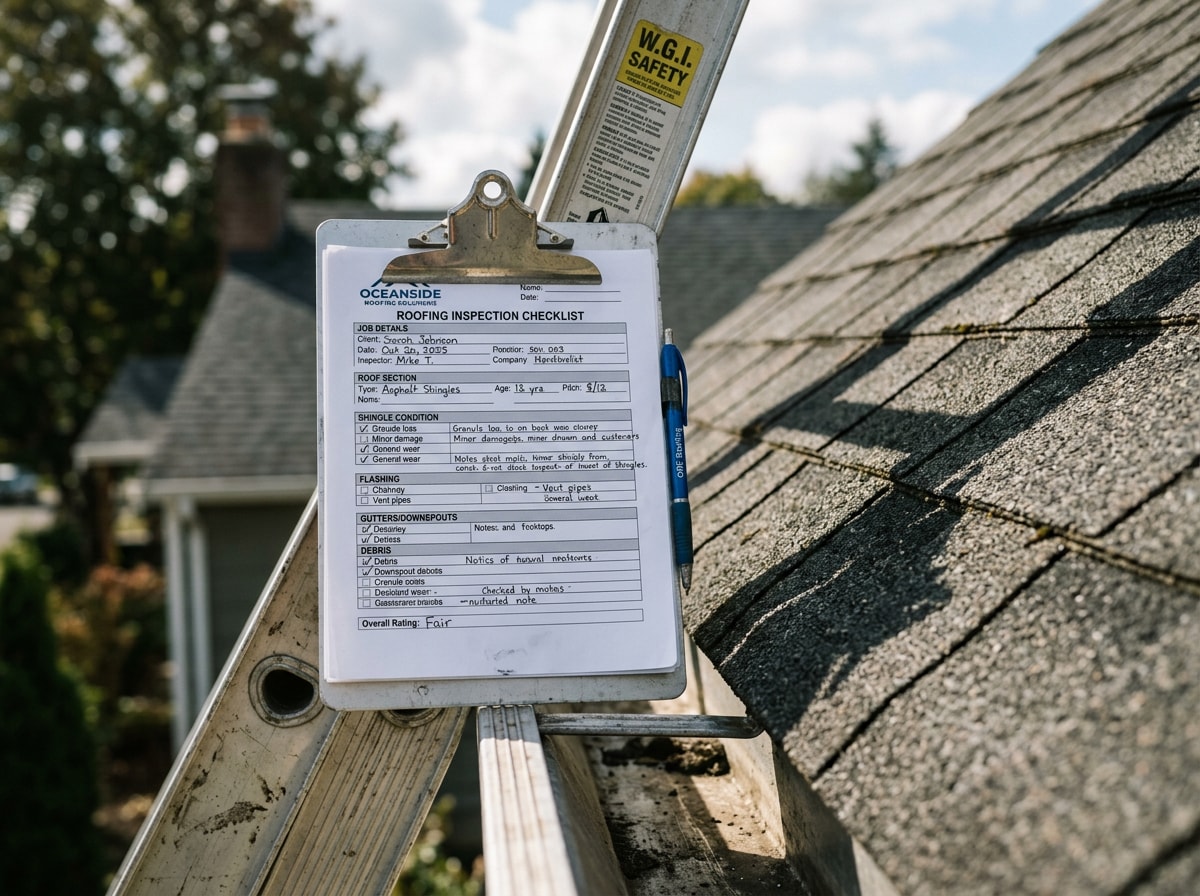
Most manufacturer warranties include a maintenance clause, which means skipping annual inspections or ignoring minor repairs can give the manufacturer grounds to deny a future claim. Keeping basic maintenance records protects you here.
Outside work can void workmanship coverage just as easily. If a second contractor touches your roof, even for something unrelated like installing a satellite dish, your original installer's warranty may no longer apply to that section. Work by unlicensed contractors can void most workmanship warranties entirely, since manufacturers and installers typically require licensed labor as a condition of coverage.
Florida's climate adds another layer. The Florida Building Code sets wind-resistance and underlayment standards that are stricter in coastal wind-borne debris regions, and gaps against those standards are a common voiding trigger we see in Wakulla and the surrounding Panhandle.
Is a Roof Warranty Transferable When Selling a Home in Florida?
Manufacturer and workmanship warranties generally transfer very differently when a home changes hands, so a buyer shouldn't assume full coverage automatically follows the house. This gap surprises a lot of sellers during negotiations, especially on roofs installed within the last decade.
Transfer rules, deadlines, and paperwork requirements vary by manufacturer and by the original contract language your installer used. Reviewing both documents before listing a home avoids an unpleasant surprise during closing.
Which Warranties Transfer?
Manufacturer warranties often transfer, but frequently only once and usually within a short window after the sale, while workmanship warranties are far less likely to transfer at all. A buyer should request the original warranty paperwork and confirm transfer deadlines with the manufacturer directly rather than relying on a verbal assurance from either party.
How Much Does a Roofing Warranty Cost?
Shingle, metal, and tile each carry different warranty rules that directly affect pricing and which coverage tier a project qualifies for. A basic shingle roof typically qualifies for standard coverage at no added cost, while upgrading to an enhanced or non-prorated tier usually means paying for higher-grade components across the entire system.
Enhanced and non-prorated tiers typically require a certified installer and specific manufacturer-approved components, which adds labor and material cost upfront. That added cost buys longer, stronger coverage and often removes the "ends if the contractor closes" risk discussed earlier. If you're also weighing roofing materials by price, our roofing specials guide breaks down current discounts and financing options that can offset an upgrade.
Homeowners weighing that tradeoff can start with a free roofing estimate to see real numbers for their specific roof.
Related Reading
If you're comparing material-specific warranty terms, our TPO roofing installation, cost, and warranty guide walks through how manufacturer coverage works on a flat or low-slope system, which follows different rules than shingles.
FAQ
What Is the Difference Between a Manufacturer and a Workmanship Roof Warranty?
A manufacturer warranty covers defects in the roofing materials themselves, while a workmanship warranty covers mistakes made during installation by the contractor. You need both in place, since a flaw in either area can lead to leaks or premature roof failure.
How Long Do Manufacturer Roof Warranties Last in Florida?
Most manufacturer warranties run non-prorated for an initial 10 to 15 years, then shift into a prorated phase for the remaining term, which can stretch to 25 years or more depending on the material. Enhanced, system-level programs sometimes extend non-prorated coverage well beyond that initial window.
Does a Roof Warranty Cover Storm Damage in Florida?
Standard roofing warranties generally exclude damage from named storms, high wind, and hail, treating that as an insurance matter rather than a material defect. Homeowners dealing with wind damage should review NOAA's hurricane wind scale classifications to understand what category of wind caused the damage, and can also schedule a storm damage assessment to document the damage for an insurance claim.
What's the Difference Between a Prorated and Non-Prorated Roof Warranty?
A non-prorated warranty covers 100% of the replacement cost during its term, while a prorated warranty only reimburses a declining percentage of the current material cost as the roof ages. Most manufacturer warranties start non-prorated for a set window, often 10 to 15 years, then shift to prorated for the remainder.
Do I Need to Register My Roof Warranty?
Many manufacturer warranties, especially enhanced or system-level tiers, require registration within a set window after installation, sometimes 30 to 60 days, or the enhanced coverage never activates. Standard material-only coverage is often automatic, but it's worth confirming in writing with your installer rather than assuming.
---
About this guide: This article was prepared by the team at Alpha One Roofing Tallahassee, licensed and insured roofing contractors who inspect, repair, and install roofs throughout Crawfordville and the Florida Panhandle. You can view examples of completed warranty-backed installations in our project gallery or contact us with questions about a specific warranty document.