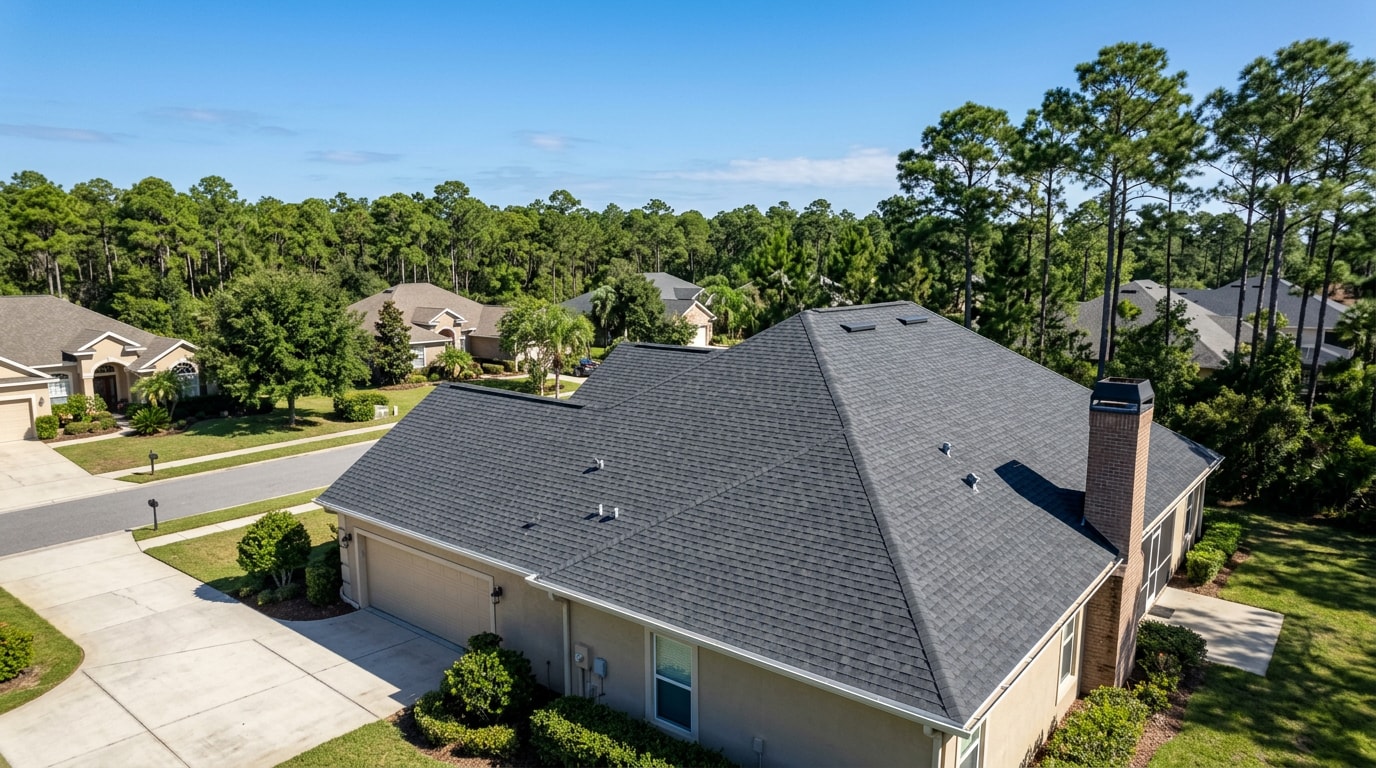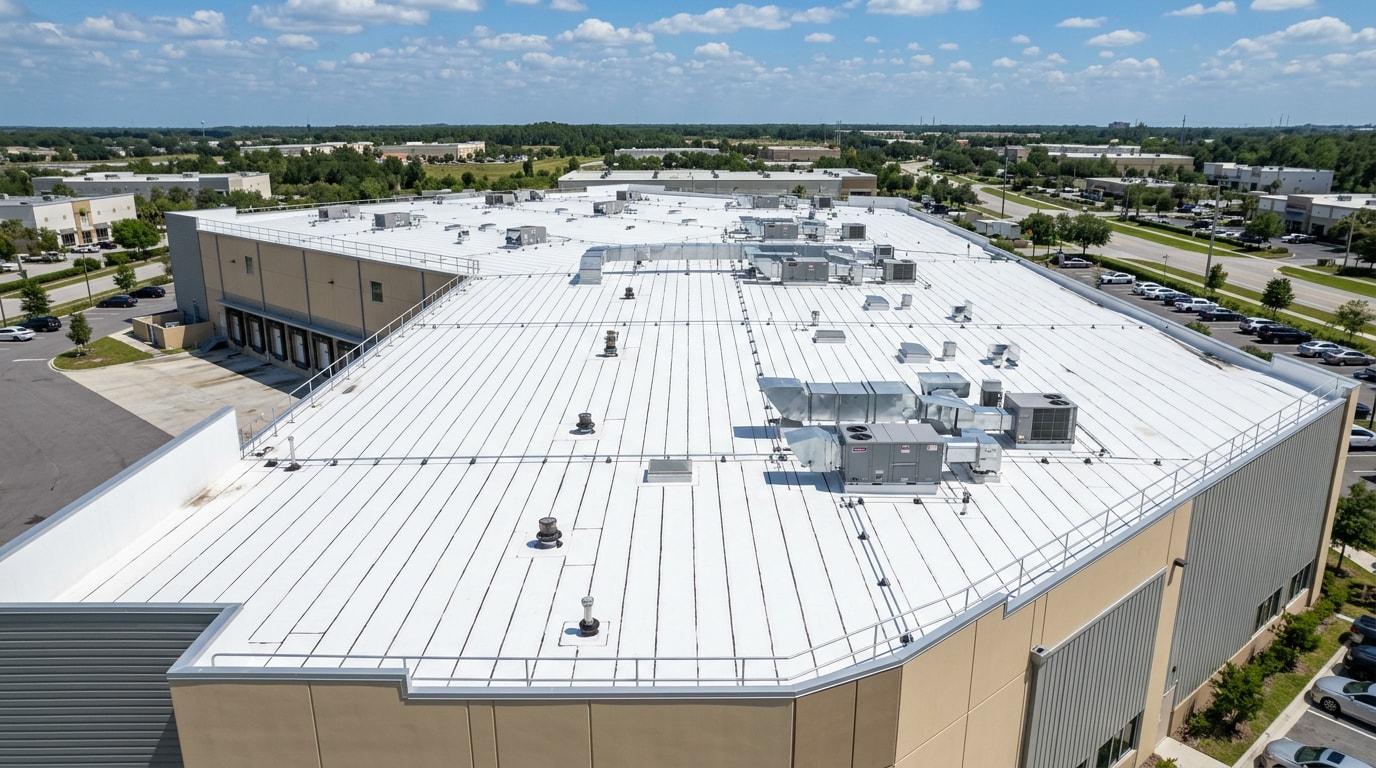
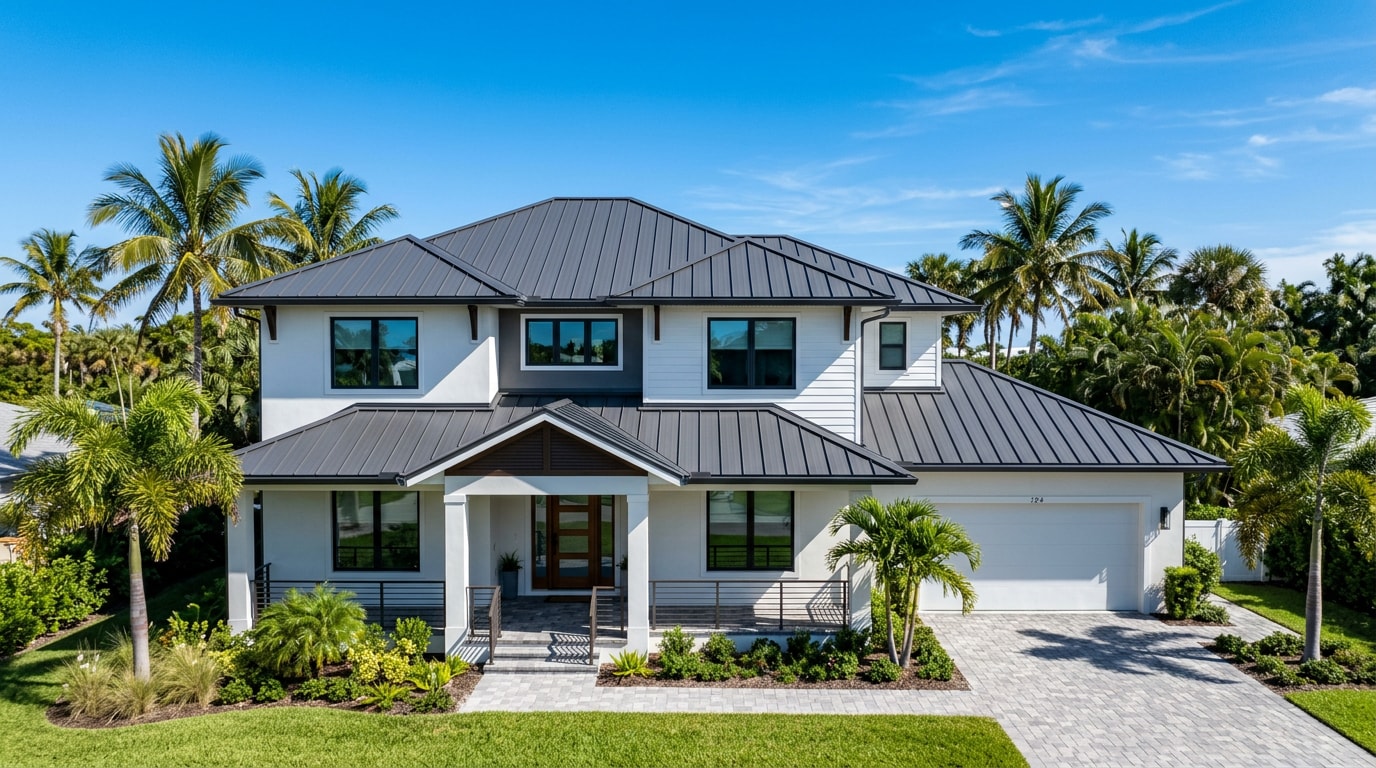
Steel roof installation in the Florida Panhandle, FL has moved from a barn-and-warehouse niche into a mainstream choice for homes across Tallahassee, Panama City, and the Big Bend coastline. Panels rated for Gulf Coast wind loads outperform asphalt shingles through storm season after storm season, and a 2023 Florida Building Code update changed how those panels get fastened. Below: 2026 installed pricing, the step-by-step install sequence, the code change most homeowners haven't heard about yet, and how to request a free estimate.
Steel Roof Installation Cost in the Florida Panhandle (2026)
Steel roofing cost depends mainly on panel profile, roof pitch, and how many layers of old roofing have to come off first. Exposed-fastener panels are the budget option. Standing seam costs more upfront but uses concealed clips instead of exposed screws, which matters on a coast where screw heads corrode faster.
| Panel Type | Installed Cost (per sq ft) | Typical Lifespan |
|---|---|---|
| Exposed-fastener steel | $9 – $14 | 40–50 years |
| Standing seam steel | $12 – $18 | 50+ years |
| Stone-coated steel | $11 – $15 | 40–60 years |
| Asphalt shingles (for comparison) | $4.50 – $8 | 15–20 years |
A typical 1,800–2,200 sq ft Panhandle home lands in the $20,000–$40,000 range installed, with coastal exposure, roof complexity, and deck repairs pushing the number higher. For an exact figure tied to your address, use our construction estimate service or request a free estimate directly.
A documented wind mitigation inspection can also lower the wind-related portion of a homeowner's insurance premium once the new roof is permitted and inspected. Our wind mitigation report service generates that documentation for your carrier.
Benefits of Steel Roofing for Florida Panhandle Homes
Humidity, salt air, and hurricane-force wind make the Gulf Coast tougher on roofing than most of the country. Generic roofing claims don't always hold up here, so these benefits are specific to Panhandle conditions:
- Reflects heat instead of absorbing it. The U.S. Department of Energy notes that
conventional roofs can reach temperatures of 150°F or more on a sunny summer afternoon, while a reflective roof could stay more than 50°F cooler under the same conditions , which translates into lower attic temperatures and reduced cooling loads.
- Interlocking seams resist wind uplift far better than nailed shingles, especially on standing seam systems with concealed clips.
- Won't rot, crack, or feed termites, since the panel itself is inorganic.
- Backed by long warranties. Many manufacturers offer 40- to 50-year material warranties, though actual service life depends on coastal exposure and maintenance.
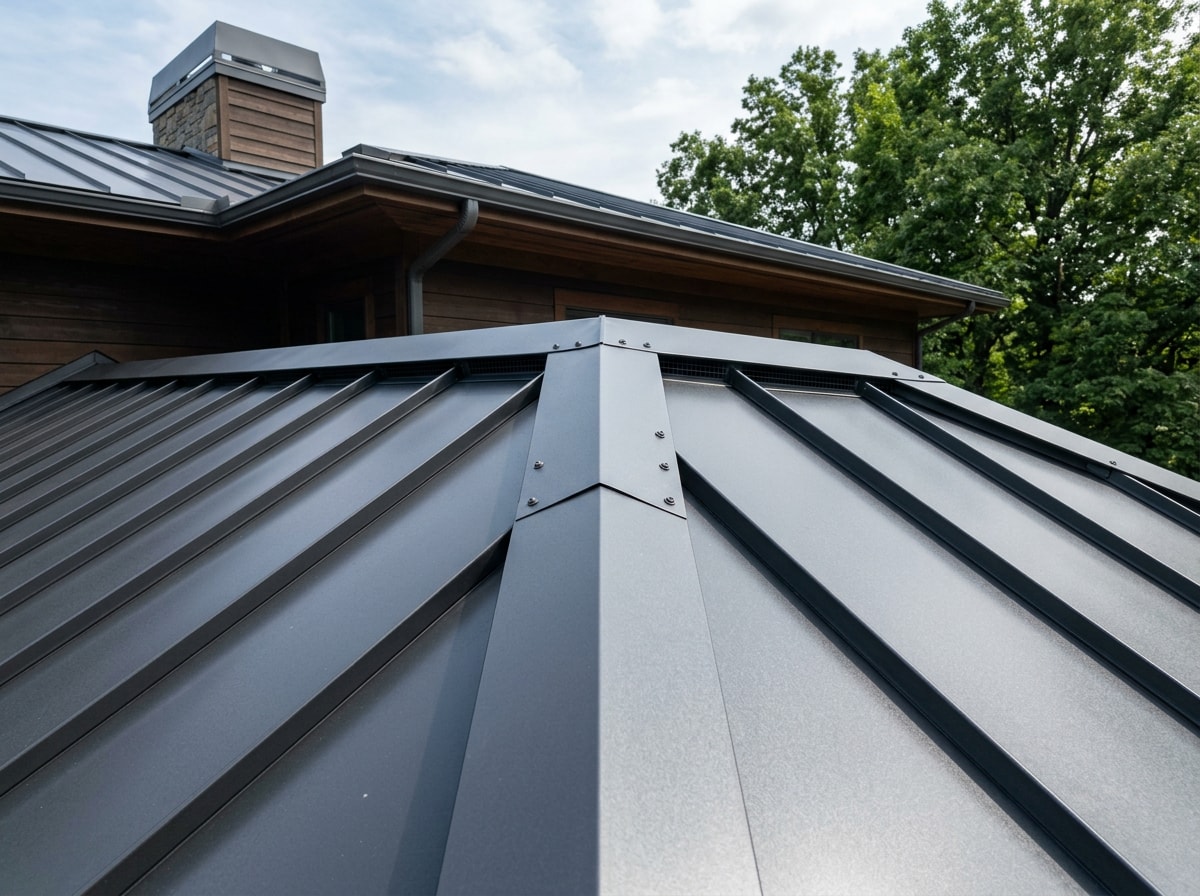
Explore steel and standing seam installation options or compare against full roof replacement if your current roof is already past its service life.
The Steel Roof Installation Process
A quality install is a sequence. Skipping a step is where most Panhandle roofing failures start.
- Site inspection to check the deck for rot, existing leaks, and structural issues before anything is ordered.
- Gauge and coating selection matched to coastal versus inland exposure, panel profile, and architectural style.
- Panel fabrication, custom-bent or roll-formed to the home's exact measurements.
- Tear-off and deck prep, including repair of any damaged sheathing found underneath.
- Underlayment and secondary water barrier, required under current Florida code for most re-roofs.
- Panel installation, with standing seam suited to steeper or architecturally visible roofs and exposed-fastener panels working well on simpler pitches.
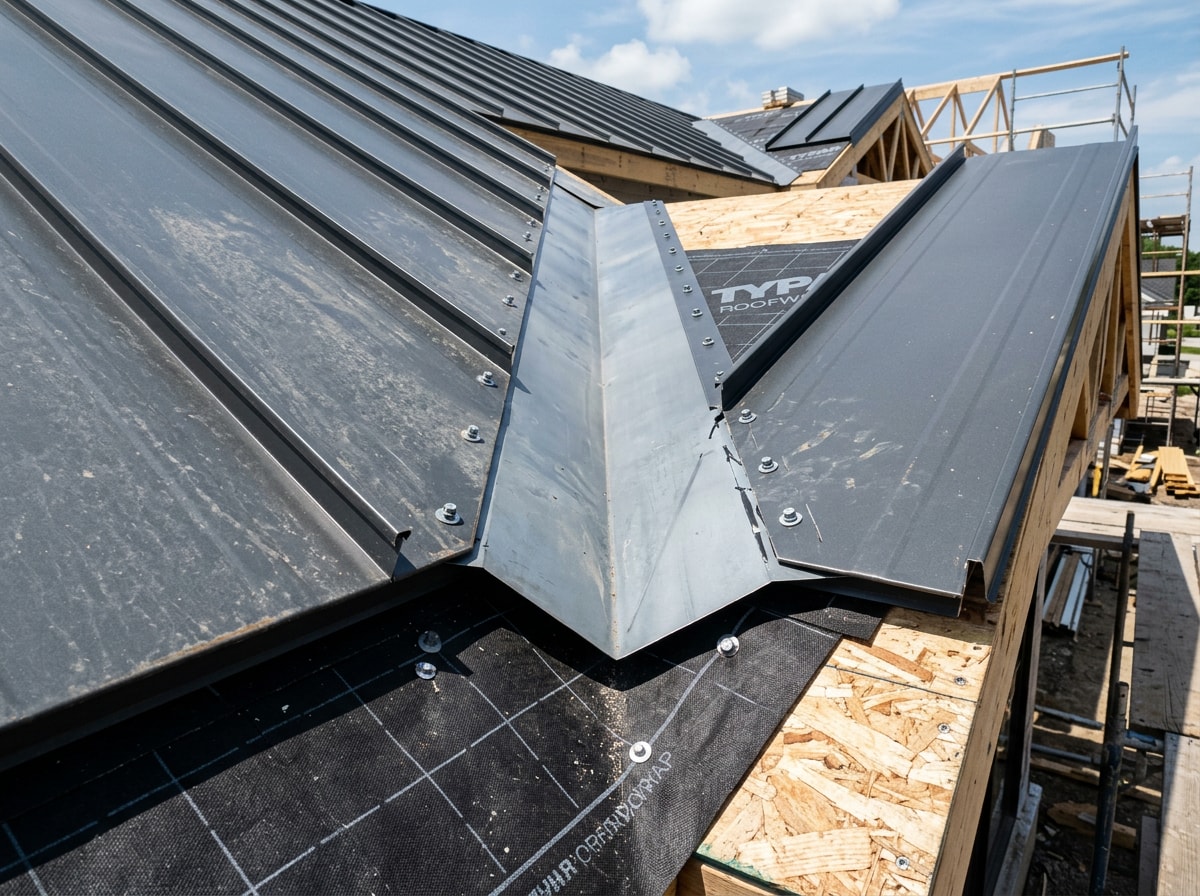
- Flashing and fasteners placed at every seam, valley, ridge, and penetration.
- Final inspection and wind mitigation documentation for permit closeout and insurance purposes.
The Metal Construction Association's installation manual, used widely across the industry, covers fastener spacing, flashing details, and panel handling in far more depth than any single contractor page can; it's a useful reference if you want to verify a quote against documented best practice. You can review it through the Metal Roofing Alliance's industry resources page.
2026 Florida Building Code Update Panhandle Homeowners Should Know
This is the part most competing roofing pages skip. The 8th Edition (2023) Florida Building Code now references ASCE 7-22, and the wind criteria in the 8th Edition FBCB and FBCR have been updated to correlate with ASCE 7-22, which includes updates to the wind speed maps and revised design wind pressures on buildings with roof slopes greater than 7 degrees . For Panhandle homeowners specifically, wind speeds increased in the panhandle while the remainder of the peninsula stayed unchanged from the prior edition .
In practical terms, that means fastener schedules and uplift ratings calculated under the old code may no longer meet current permit requirements. A roof that was correctly engineered in 2019 is not automatically code-compliant in 2026. One Florida metal roofing supplier puts the statewide range in context: design wind speeds run roughly 130 mph in the Panhandle to 170 mph in the far southwest under ASCE 7-22 , which is why panel gauge and fastening patterns that work in Orlando often fall short of what a Panama City or St. George permit office requires.
Confirm current requirements through the Florida Building Commission's official code portal before signing a contract, and ask your contractor to show the fastening schedule they're pulling the permit against. For an added layer of wind-resilience documentation beyond minimum code, IBHS's FORTIFIED Roof standard is worth asking about, particularly for coastal properties.
Common Steel Roof Installation Mistakes to Avoid
Three errors cause most of the costly steel roofing failures we see in the Panhandle's salt-air, high-wind environment:
- Improper fastening. Wrong screw spacing or over-driven fasteners accelerates corrosion near the coast and weakens wind resistance exactly where it matters most.
- Inadequate flashing. Valleys and penetrations that aren't flashed correctly invite wind-driven rain intrusion during tropical storms, long before the panels themselves fail.
- Skipping permits. Unpermitted work can delay insurance claims or fail a wind mitigation inspection outright, even if the roof looks fine.
A roof inspection before and after installation catches most of these before they become claims.
Choosing a Local Florida Panhandle Steel Roofing Contractor
Vet any installer before signing a contract. Look for hands-on experience with Gulf Coast wind zones, manufacturer or trade certifications, proof of bonding, and current coverage as a licensed and insured roofer.
In-house fabrication capability usually means better panel fit and fewer delays, since panels aren't waiting on a third-party supplier. A contractor willing to handle wind mitigation and insurance paperwork on your behalf is a sign they understand the full scope of the job, not just the panels.
Our crews at Alpha One Roofing Tallahassee install steel roofing across Tallahassee, Panama City, Crawfordville, Monticello, St. Marks, and St. George, and we handle the fabrication, flashing, and permit documentation in-house rather than subcontracting it out. If you want to see completed work before you decide, browse our recent projects, and if your roof is also due for a pre-purchase or storm check, our storm damage assessment service covers that separately. For a metal roofing project on a smaller structure, our step-by-step guide to installing metal roofing on a shed in Crawfordville walks through the same fastening and flashing principles at a smaller scale.
Ready to get a number for your specific roof? Request a free estimate and we'll walk the deck, measure the roof, and give you a written quote broken down by panel type.
FAQ
How much does steel roof installation cost in the Florida Panhandle?
Exposed-fastener steel typically runs $9–$14 per square foot installed, and standing seam runs $12–$18 per square foot. Panhandle pricing often trends toward the higher end of statewide ranges because of stricter wind-zone fastening requirements.
How long does a steel roof last in Florida?
A well-installed steel roof lasts 40–50+ years in Florida's climate, compared with roughly 15–20 years for asphalt shingles. Coastal salt exposure and maintenance habits affect the actual lifespan.
How long does metal roof installation take?
Most residential installs take three to seven days. Tear-off of the old roof, roof complexity, and weather delays can extend the timeline.
Are steel roofs compliant with Florida building code and insurance requirements?
Yes, when installed to current specifications. Homeowners should receive a wind mitigation report and permit documentation confirming the install meets the 8th Edition Florida Building Code, which now references updated ASCE 7-22 wind speed maps.
Can a steel roof be installed over an existing shingle roof?
Often yes, but it depends on deck condition, how many shingle layers already exist, and local permit rules. A contractor should inspect the deck before confirming this option.
Does a steel roof actually lower homeowners insurance in Florida?
It can. A documented wind mitigation inspection after installation may qualify a home for wind-related premium credits, and some carriers extend longer replacement timelines to metal roofs than to asphalt. Savings vary by carrier and policy.
Is a steel roof noisy during heavy rain?
Not when installed correctly. Solid decking and proper underlayment between the panel and the structure absorb most of the sound, so a properly installed steel roof is not noticeably louder than shingles from inside the home.